Warning: Do Not Play
2019
No user ratings available yet
Representation score: 5.4 out of 10
Representation Score
Limited
2005
Not RatedDirector
Lee Woo-chul
Runtime
94 minutes
Average Rating
No ratings yetNew Showbiz Analysis
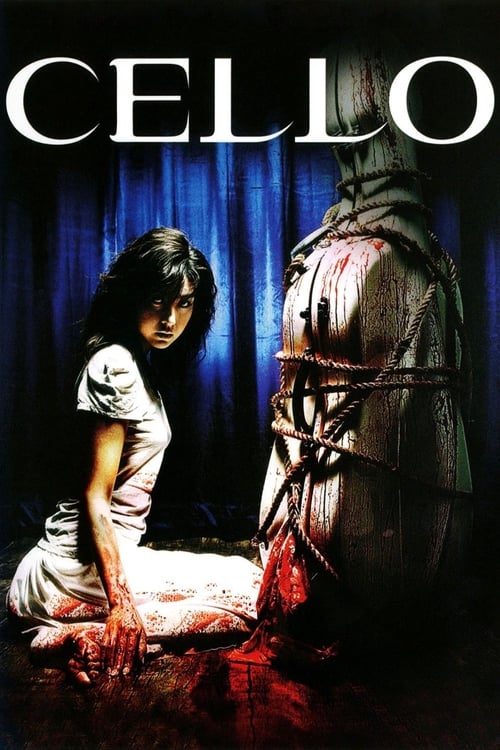
Cello is a traditional horror film that emphasizes psychological suspense and domestic stability. It relies on well-known genre clichés, using trauma and revenge to propel the story within a conventional framework. The film aligns with the demographic and social norms of mid-2000s South Korean cinema. It centers on a homogenous cast and a traditional family structure, offering minimal space for complex, characters who reflect more than one aspect of diversity or challenging systemic hierarchies. Ultimately, the film reflects the era's cinematic standards. It operates as a localized genre piece rather than an effort to disrupt prevailing social or gender norms.
Category Breakdown
The film does not include any LGBTQ+ characters or non-cisgender identities. The main character is part of a traditional family structure without any queer undertones.
A female professor serves as the main character, providing professional authority. However, her role is often constrained by domestic pressures and external threats within a traditional family setting.
This South Korean film features a largely homogenous cast reflecting the local culture and ethnicity. It does not introduce diverse ethnic backgrounds.
The story explores themes of revenge and academic pressure. It highlights the stability of the nuclear family without critiquing social or secular norms.
Psychological distress and auditory hallucinations are used as typical horror elements. There is no portrayal of neurodiversity or physical disabilities with meaningful depth.
Present on Screen
Limited or Absent
Official Synopsis
10 years ago, Mi-ju lost her ambition to become a cellist when her entire family was brutally murdered. Due to the trauma, she now leads a quiet life as a teacher with her husband and children. However, dreadful events begin to occur.
2019
2000
2011
2007
2009
2020
2005
2021
No reviews yet. Be the first to share your thoughts on this movie!
Use the rating form above to leave a star rating and optional review.