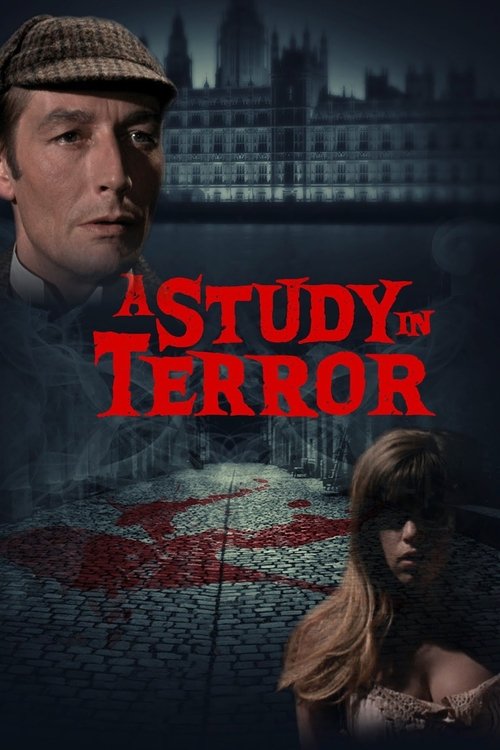
A Study in Terror
1965
No user ratings available yet
Representation score: 1.5 out of 10
Representation Score
Limited
1969
PGDirector
Alfred Vohrer
Runtime
87 minutes
Average Rating
No ratings yetNew Showbiz Analysis
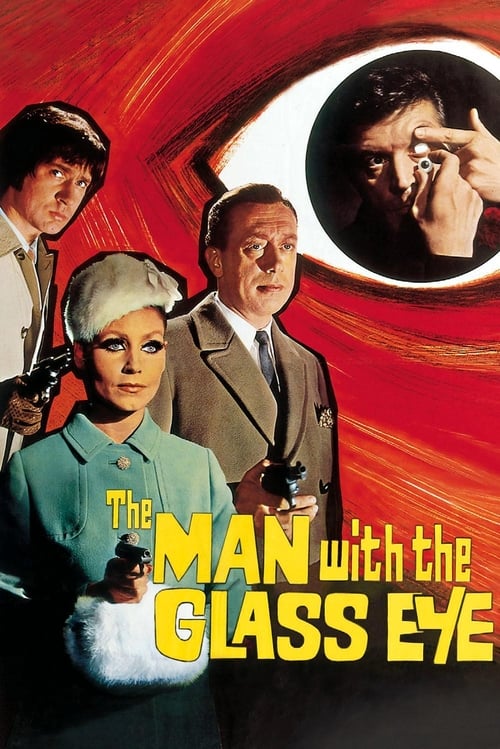
The Man with the Glass Eye is a classic 1960s crime procedural that prioritizes suspense over social representation. It stays within the demographic and social norms of its time, focusing on a local mystery rather than diverse perspectives. While the film uses a physical disability as a central theme, it treats the glass eye as a clue for solving the mystery rather than a study of the person's experiences. This keeps the focus on detective work rather than the personal impact of disability. Overall, the film supports traditional authority and gender roles. It functions as a conventional mystery that restores order through official means, offering little in the way of cultural or multi-layered challenges.
Category Breakdown
The film follows typical crime storylines from the mid-1900s. It doesn't include any non-traditional gender identities or stories that challenge the idea that everyone is straight.
Women in the film, such as the famous dancer, mainly appear as plot catalysts or victims. They don't have much influence over the story or show great intelligence.
The movie reflects the mostly white audiences of 1960s European cinema. It doesn't make an effort to include diverse casting or non-white actors.
The story emphasizes the importance of official institutions like Scotland Yard. It upholds traditional Western values without questioning broader societal issues.
A physical disability is used as a key plot element and to identify the killer. However, it focuses on creating suspense rather than exploring the lived experience of disability.
Present on Screen
Limited or Absent
Official Synopsis
A man is found dead in a London hotel. The knife is still firmly stuck in the victim's chest, and Inspector Perkins strangely finds a glass eye in his jacket pocket. Kurt after that a second, mysterious murder happens: A city-famous dancer of the Las Vegas Girls, who perform at the London Odeon Theater, is poisoned. Is there a connection between the pretty dancer and the hotel guest? Inspector Perkins and his colleagues are pressed for time. The "man with the glass eye" strikes deadly again and again. A first clue leads Scotland Yard to a billiard club, where one has to show a glass eye as an admission ticket.
1965
1946
1963
1960
1961
1942
1966
1945
No reviews yet. Be the first to share your thoughts on this movie!
Use the rating form above to leave a star rating and optional review.