
Anne of Green Gables: Fire & Dew
2017
No user ratings available yet
Representation score: 4.0 out of 10
Representation Score
Good
2016
TV-MADirector
Robyn Butler
Runtime
25 minutes
Average Rating
No ratings yetNew Showbiz Analysis
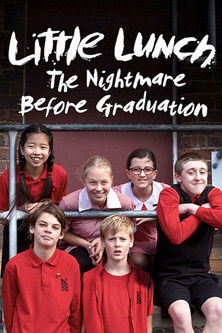
Little Lunch: The Nightmare Before Graduation presents a realistic, multicultural setting that avoids uniformity. Its mockumentary style captures classroom social dynamics with a postmodern perspective. Though the casting reflects a modern context, the narrative remains traditional, focusing on the small-scale social world of school rather than larger systemic issues. The film integrates diversity naturally but doesn’t delve deeply into progressive representation. It emphasizes the psychological development of children over broader social critiques.
Category Breakdown
The film doesn't include any direct representations of LGBTQ+ identities or stories centered around queer experiences.
The movie balances male and female characters, avoiding typical gender stereotypes by focusing on shared emotions like anxiety.
A diverse cast representing various ethnicities reflects the modern Australian school environment. These characters are integrated naturally without relying on ethnic clichés.
The story follows traditional family and institutional norms, maintaining a conventional tone about childhood development and education.
The film highlights the emotional weight of anxiety during social transitions but doesn’t focus on visible physical disabilities or neurodivergent conditions.
Present on Screen
Limited or Absent
Official Synopsis
Mrs Gonsha's students are excited about the end of primary school... until they discover that a classmate might not move on with them.
2017
2005
1992
2003
1998
2018
2012
2009
No reviews yet. Be the first to share your thoughts on this movie!
Use the rating form above to leave a star rating and optional review.