
Mister Twister Goes Camping
2013
No user ratings available yet
Representation score: 5.0 out of 10
Representation Score
Fair
2012
Director
Barbara Bredero
Runtime
81 minutes
Average Rating
No ratings yetNew Showbiz Analysis
Mister Twister: Class of Fun is a character-driven comedy that emphasizes interpersonal relationships over complex social issues. It successfully upends traditional power structures by putting the adult protagonist in a vulnerable position, allowing the children to lead his growth. However, the film misses opportunities to explore diverse identities or non-traditional social structures. It adheres to a conventional demographic distribution and a traditional framework that assumes everyone is straight or cisgender. Ultimately, the film focuses on social adaptability within a community, offering a mild critique of rigid institutions through its portrayal of the teacher-student relationship.
Category Breakdown
The film follows a traditional framework that assumes everyone is straight or cisgender. There are no explicit LGBTQ+ storylines or characters with non-traditional gender identities.
The story turns traditional gender roles upside down by having students guide the teacher's development. While gender roles are still traditional, the reversal of expertise provides a moderate challenge to usual patterns.
The classroom setting mirrors social integration, but the focus remains on the teacher's personal journey. The film's representation of race stays conventional.
The story examines the conflict between institutional rules and personal freedom. It portrays the school system as a place where individuals must navigate rules to find true connection.
There is no indication of characters with visible or invisible disabilities in the film.
Present on Screen
Limited or Absent
Official Synopsis
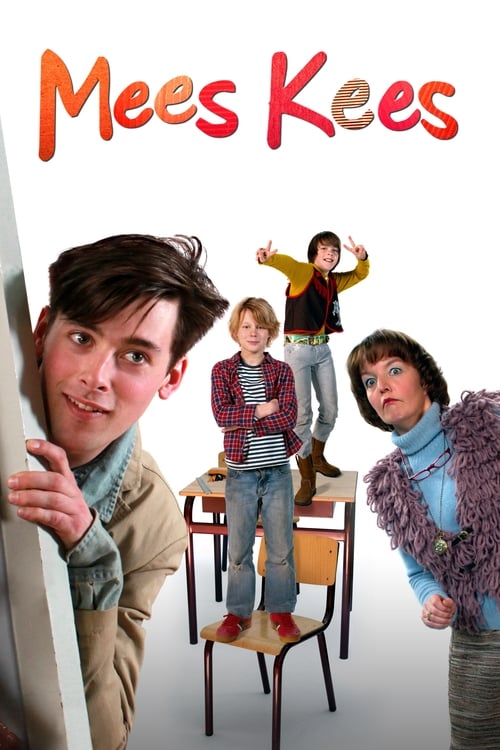
Casey is a student teacher who gets his very first placement in class 5b. He is not sure how to teach yet, but thankfully the children are more than willing to help him.
2013

2006
2012

1987

2014

2009

2016

2011
No reviews yet. Be the first to share your thoughts on this movie!
Use the rating form above to leave a star rating and optional review.