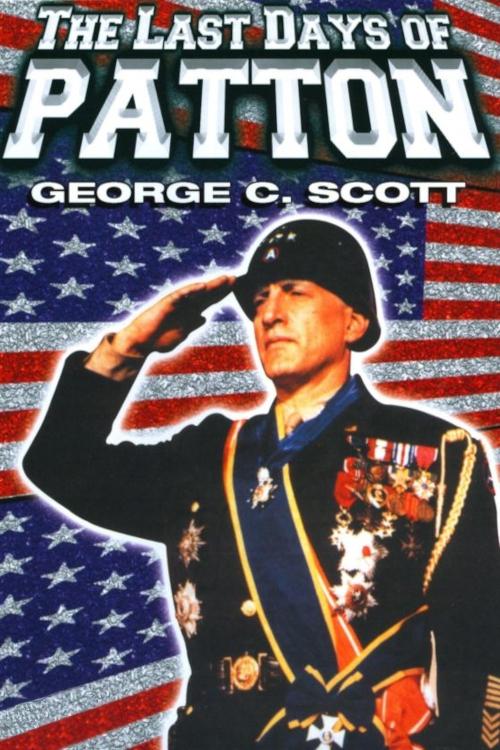
The Last Days of Patton
1986
No user ratings available yet
Diversity score: 1.7 out of 10
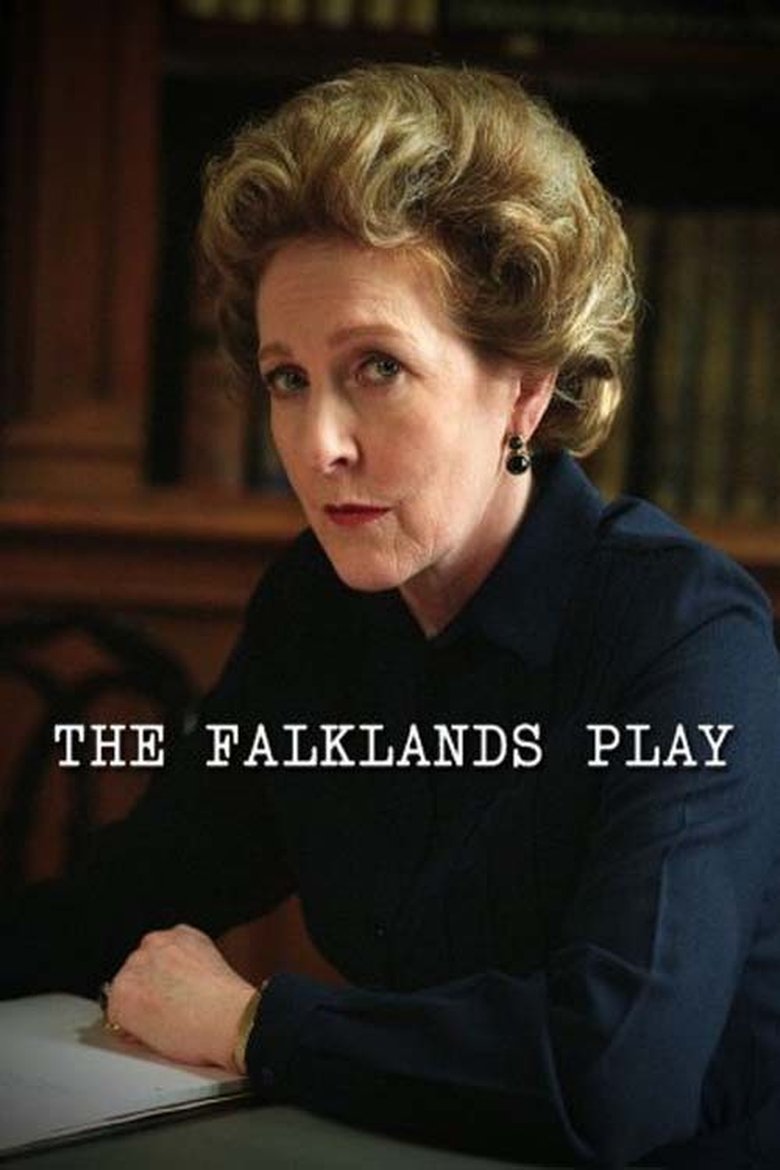
2002
Director
Michael Samuels
Runtime
90 minutes
Average Rating
No ratings yetSynopsis
The Falklands Play is a dramatic account of the political events leading up to, and including, the 1982 Falklands War. The play was written by Ian Curteis, an experienced writer who had started his television career in drama, but had increasingly come to specialise in dramatic reconstructions of history. It was originally commissioned by the BBC in 1983, for production and broadcast in 1986, but was subsequently shelved by Controller of BBC One Michael Grade due to its alleged pro-Margaret Thatcher stance and jingoistic tone. This prompted a press furore over media bias and censorship.The play was not staged until 2002, when it was broadcast in separate adaptations on BBC Television and Radio.
Overall Score
Limited
Category Breakdown
LGBTQ+ Representation
The narrative focuses almost exclusively on high-level political and military hierarchies. There is no discernible presence of LGBTQ+ characters or narratives exploring non-cisnormative identities.
Gender Representation
The film centers on a traditional masculine hierarchy within British governance. Women are largely absent from the central decision-making processes of the military and political spheres.
Racial & Ethnic Diversity
The ensemble is predominantly white and Anglo-Saxon, mirroring the demographic reality of the 1980s British establishment. There is no evidence of race-bent casting or racial diversity.
Religious & Cultural Diversity
The film uses satire to critique the competence of Western institutions like the Thatcher government. It disrupts heroic myths by framing political leadership as absurd or incompetent.
Disability Representation
There is no significant evidence of characters with visible or invisible disabilities. The focus remains strictly on the socioeconomic and political agency of the ruling class.
Strengths
Areas for Improvement
AI Analysis
The Falklands Play functions as a period-specific political satire that prioritizes the deconstruction of institutional competence over the representation of marginalized identities. It critiques the machinery of the state through a postmodern lens, yet it does so within a very traditional demographic framework. The production adheres to the historical homogeneity of the 1982 political class. While it offers a critique of systemic mismanagement, it does not actively seek to subvert the patriarchal or racial structures of the era it depicts. Ultimately, the work reflects the demographic reality of the British political and military establishment of the early 1980s, resulting in a lack of intersectional representation.
1986
1973
1974

2003
No reviews yet. Be the first to share your thoughts on this movie!
Use the rating form above to leave a star rating and optional review.