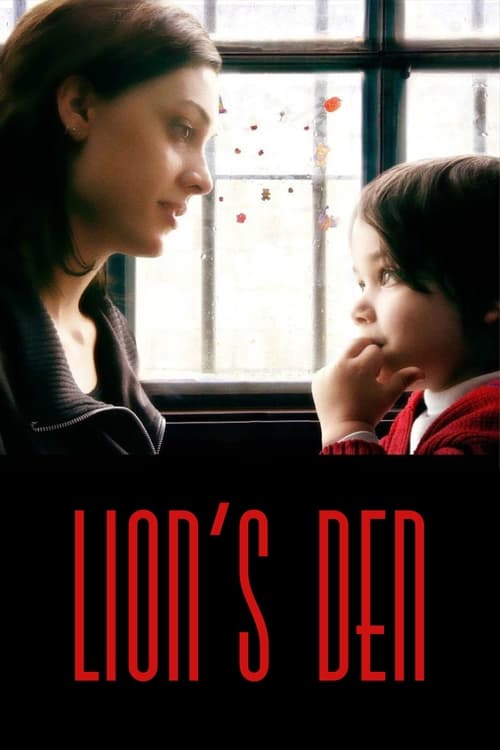
Lion's Den
2008
No user ratings available yet
Representation score: 8.1 out of 10

Representation Score
Fair
2017
CDirector
Waleed Bedour
Runtime
86 minutes
Average Rating
No ratings yetNew Showbiz Analysis
Cries of the Unborn is a character-driven drama that centers on the ability to act of women facing systemic coercion. By placing female protagonists in a judicial framework, the film grants them a significant role in driving the story and emphasizes their intellectual and moral autonomy. The narrative's strength lies in its critique of institutional power and its exploration of complex, situational morality. However, the film's scope appears narrow. The lack of information regarding racial, ethnic, or disability representation leaves significant gaps in its multi-layered approach, and the focus on reproductive themes offers no engagement with LGBTQ+ identities.
Category Breakdown
The film does not provide explicit evidence of non-straight or non-cisgender identities or same-sex relationships. Instead, it focuses on biological and reproductive themes rather than exploring queer identity politics.
The story challenges traditional gender roles by centering on the high-stakes decision-making of three pregnant women. It highlights the intelligence and decision-making abilities of women rather than passive stereotypes through intense psychological struggles.
There is insufficient information regarding the racial or ethnic makeup of the cast or setting. Therefore, no definitive assessment of racial diversity can be made.
The film critiques institutional authority by depicting the legal system as a mechanism of scrutiny. It prioritizes situational ethics and individual autonomy over rigid, systemic control.
The provided context contains no specific evidence regarding the portrayal of physical disabilities, neurodivergence, or mental health conditions.
Present on Screen
Limited or Absent
Official Synopsis
When three young, pregnant women are held against their will, a jury must examine just how far they would go to save a life.
2008
2016
2023
2022

2023

2013
2021
2015
No reviews yet. Be the first to share your thoughts on this movie!
Use the rating form above to leave a star rating and optional review.