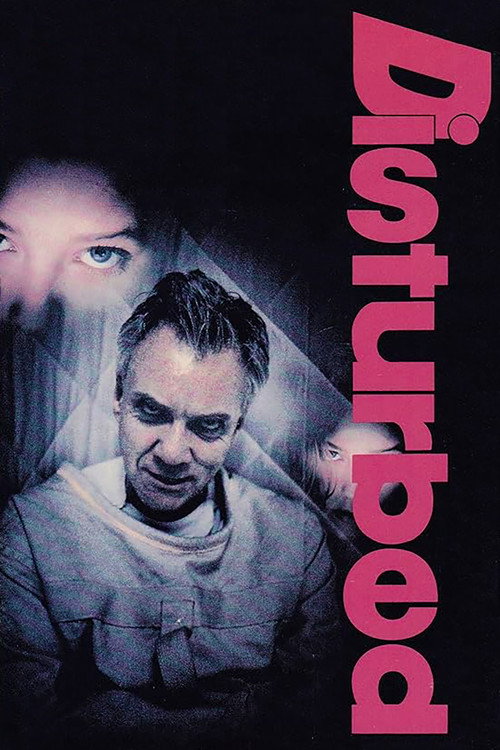
Disturbed
1990
No user ratings available yet
Representation score: 1.7 out of 10

Representation Score
Minimal
1991
Director
Heiko Fipper
Runtime
65 minutes
Average Rating
No ratings yetNew Showbiz Analysis
Easter Monday operates within traditional horror and psychological thriller genres. The narrative centers on personal obsession and the consequences of mistaken identity rather than broader social critiques. The film relies on typical genre clichés, such as the male protagonist's descent into violence due to female characters. This approach emphasizes personal psychological conflict over societal issues. Overall, the work lacks elements for diverse representation, focusing instead on localized personal tragedies and a homogeneous cast.
Category Breakdown
The story revolves around unreciprocated heterosexual attraction and complicated family relationships. It doesn't include any non-binary or transgender identities and doesn't critique the assumption that everyone is straight.
Female twins act as catalysts for the male protagonist's violent behavior. They drive the plot but mainly serve as triggers for his actions rather than having their own independent roles.
The story seems to focus on a predominantly white cast. There is no indication of racially diverse casting to challenge historical norms.
The film follows a traditional morality storyline centered on personal guilt and tragedy. It doesn't explore broader social or secular themes.
The film does not mention any neurodevelopmental conditions or physical disabilities. These traits are not given any significant role in the story.
Present on Screen
Limited or Absent
Official Synopsis
A twisted tale of obsession and mistaken identity unravels with shocking consequences. Heiko, consumed by his unreciprocated love for one of his stepsisters, is unknowingly entangled with her twin, Nicole, in a deadly game of deception. His growing confusion and frustration lead to a catastrophic error: the accidental murder of the wrong sister. Years later, Heiko, haunted by his past, lures who believes to be Nicole under false pretences, igniting a chain of violent and grotesque events of staggering proportions.
1990

2010
1993
2011
2008
2010

2005
1997
No reviews yet. Be the first to share your thoughts on this movie!
Use the rating form above to leave a star rating and optional review.