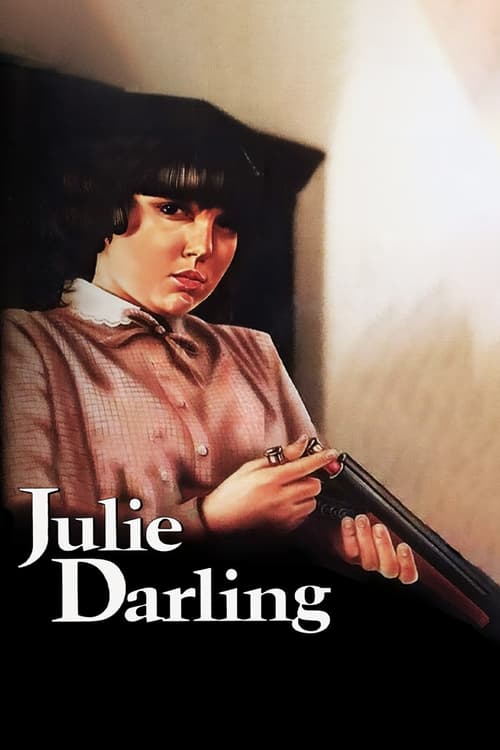
Julie Darling
1983
No user ratings available yet
Representation score: 2.0 out of 10
Representation Score
Limited
1997
RDirector
Robert Malenfant
Runtime
94 minutes
Average Rating
No ratings yetNew Showbiz Analysis
The film operates as a standard psychological thriller that prioritizes individualist revenge over complex storytelling. While the female lead exercises control by weaponizing her professional role, the film remains tethered to established genre clichés. The narrative lacks meaningful representation of diverse racial, ethnic, or LGBTQ+ identities. It functions within a narrow framework that focuses on personal vendettas rather than broader social or systemic critiques. Ultimately, the film uses disability and gendered roles as narrative catalysts for violence. It fails to disrupt conventional social expectations, resulting in a conventional and homogeneous viewing experience.
Category Breakdown
The film does not include any LGBTQ+ characters or stories involving non-assuming gender matches what was assigned at birth identities. The plot centers on a male businessman and a female protagonist seeking revenge.
A female protagonist drives the plot with significant control over events, challenging the nurturing caregiver stereotype through calculated violence. However, the story relies heavily on the 'vengeful woman' cliché.
There is no indication of a diverse cast or non-Anglo-Saxon perspectives. The narrative suggests a conventional, homogeneous character set typical of late-90s genre cinema.
The film explores personal trauma and retribution but does not challenge Western institutions or social norms. The conflict remains a private vendetta rather than a systemic critique.
A catatonic character introduces themes of mental health and physical incapacity. However, this condition serves primarily as a plot device for revenge rather than a nuanced exploration of lived experience.
Present on Screen
Limited or Absent
Official Synopsis
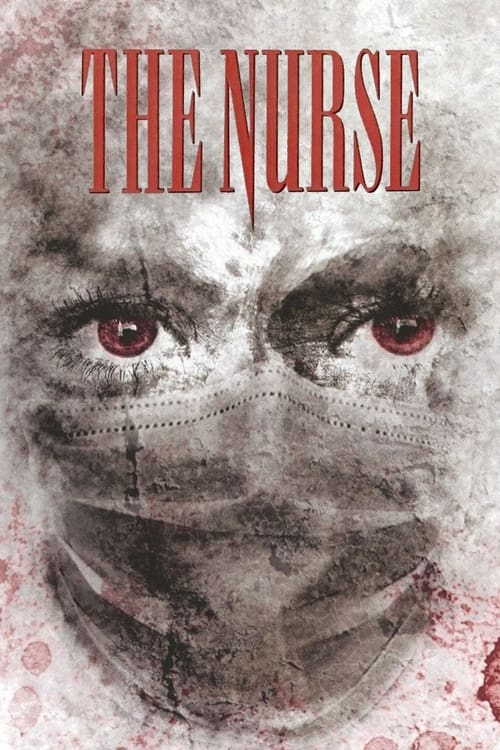
A traumatized nurse plots revenge against a catatonic businessman whom she blames for the death of her family. By integrating herself as his personal nurse, she plots revenge by killing off his family members one by one.
1983

2010

2000

1978
1988

2010
1980

1975
No reviews yet. Be the first to share your thoughts on this movie!
Use the rating form above to leave a star rating and optional review.