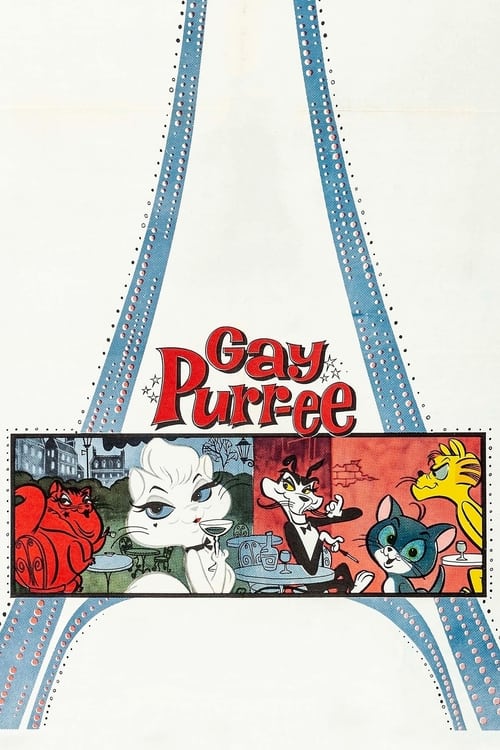
Gay Purr-ee
1962
No user ratings available yet
Representation score: 0.4 out of 10
Representation Score
Fair
2013
NRDirector
Joanna Davidovich
Runtime
4 minutes
Average Rating
No ratings yetNew Showbiz Analysis
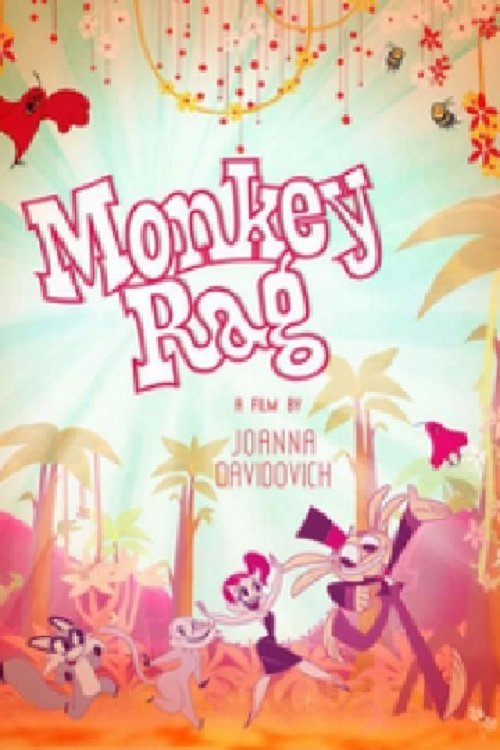
Monkey Rag is an abstract, hand-drawn short film that relies on musical rhythm rather than traditional dialogue. Its strength lies in its rejection of structured, institutionalized social norms in favor of a sensory-driven experience. The film uses anthropomorphic characters to create a metaphorical landscape for diversity, allowing it to explore identity and social liberation outside of human-centric hierarchies. However, the lack of explicit character identities and the absence of information regarding disability representation limit its overall impact. The film functions more as a stylistic critique of order than a direct exploration of specific human identities.
Category Breakdown
The film focuses on a romantic relationship between Mitzi and Spanko. Although their specific identities are not clearly defined, the storyline provides a platform to explore unconventional relationship dynamics.
By prioritizing chaotic and instinctual behavior, the film subverts traditional social structures. This approach disrupts conventional expectations of restraint often associated with rigid gendered norms.
The film uses anthropomorphic animals like baboons and raccoons to create a metaphorical space for identity. This non-human setting allows for interactions that avoid human racial hierarchies.
The narrative criticizes rationalist, Western-centric structures by promoting a world where sensory experiences and instincts are valued over institutional stability.
There is no evidence regarding the portrayal of physical or neurodivergent disabilities within the film.
Present on Screen
Limited or Absent
Official Synopsis
"Mitzi and Spanko run amok in a colorful world where reason is overrated, featuring the thumping, riotously fun music of the Asylum Street Spankers." A beautiful hand-animated short inspired by and done to the song "Monkey Rag" by Asylum Street Spankers.
1962
2022
2009
2010

2014
1992
1988
1935
No reviews yet. Be the first to share your thoughts on this movie!
Use the rating form above to leave a star rating and optional review.