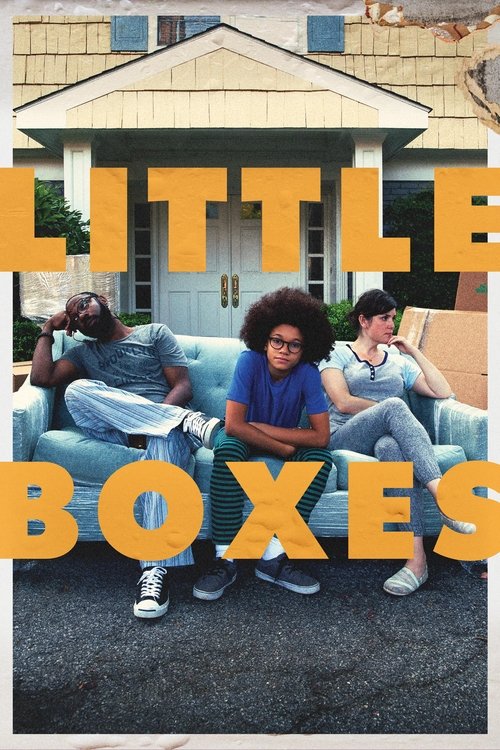
Little Boxes
2017
No user ratings available yet
Representation score: 4.0 out of 10
Representation Score
Limited
1997
RDirector
Timothy A. Chey
Runtime
89 minutes
Average Rating
No ratings yetNew Showbiz Analysis
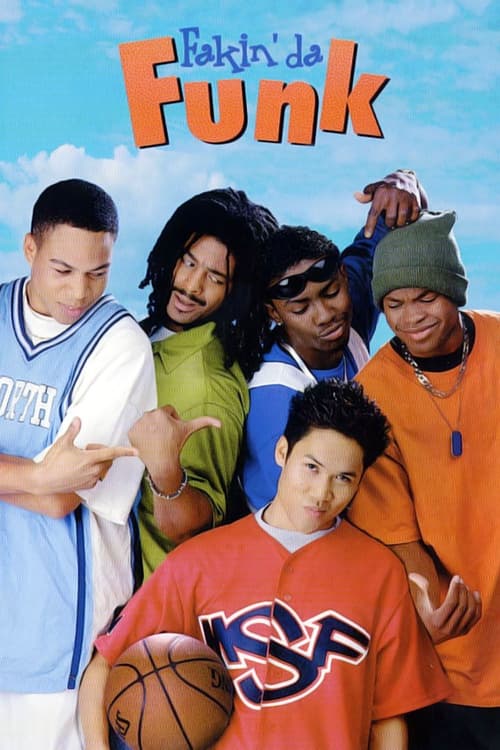
Fakin' Da Funk stands out by focusing on non-white domesticity. By centering an interracial family structure and an Asian exchange student in a Black neighborhood, the film avoids the typical white-centric perspective found in many 1990s comedies. However, the film falls short in providing multi-layered depth. It does not address LGBTQ+ identities or significantly challenge traditional gender roles, staying within conventional comedic and familial frameworks. While the film excels in racial representation, it lacks the systemic critique or diverse character development needed for a higher overall score.
Category Breakdown
The film does not include any LGBTQ+ characters or stories about non-assuming gender matches what was assigned at birth identities. The narrative focuses solely on racial and familial integration.
Female characters such as Annabelle Lee and May-Ling are present, but their roles seem to follow traditional family structures. There is no indication of challenging traditional gender roles.
The story centers on cross-racial domestic life, featuring a Chinese child adopted by a Black family. This breaks away from homogeneous white domesticity by highlighting underrepresented identities.
The film highlights specific urban cultural identities in the South Central area. However, it does not delve into religious or Western institutional themes, maintaining a moderate cultural score.
There are no characters with visible or invisible disabilities mentioned in the narrative.
Present on Screen
Limited or Absent
Official Synopsis
Chinese kid Julian, who was adopted by the black family of Joe and Annabelle Lee -- and Asian exchange student May-Ling, who is housed with a black family -- are trying to adapt to their mostly black neighborhood of South Central.
2017
1993
1981

2024
2007

1998
1991
2007
No reviews yet. Be the first to share your thoughts on this movie!
Use the rating form above to leave a star rating and optional review.