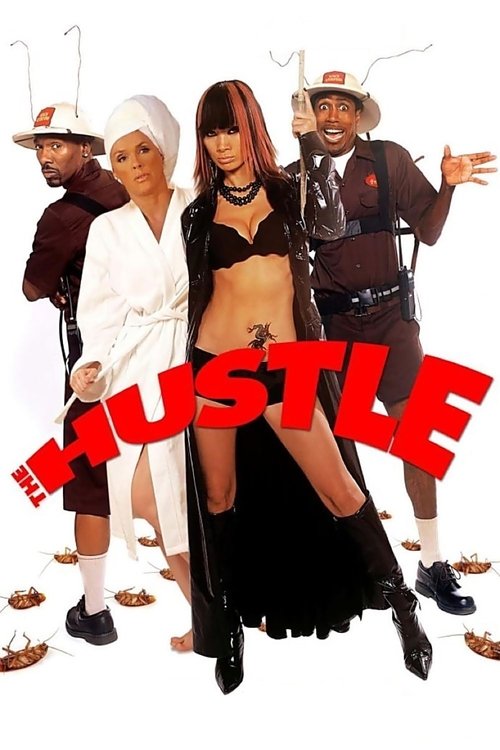
The Hustle
2008
No user ratings available yet
Representation score: 4.5 out of 10
Representation Score
Fair
2017
RDirector
Scott Zabielski
Runtime
86 minutes
Average Rating
No ratings yetNew Showbiz Analysis
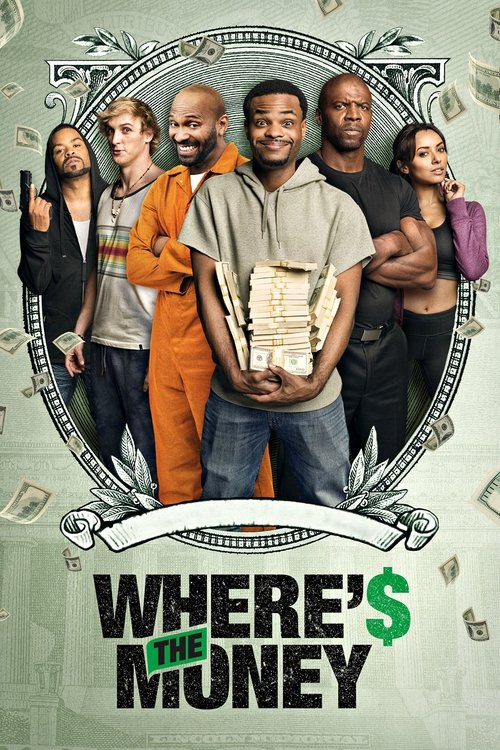
Where's the Money uses humor to highlight racial and class-based conflicts. By placing a protagonist from South Central into a privileged USC fraternity, the film creates a narrative driven by social and racial tension. However, the film’s scope is limited. Its focus on a male-centric fraternity environment and lack of visible LGBTQ+ or disability representation restricts its inclusiveness. While it effectively disrupts social hierarchies, it adheres to traditional storylines that limit a broader range of perspectives.
Category Breakdown
The film does not include any explicit LGBTQ+ characters or narratives. It focuses more on racial and socioeconomic issues rather than non-straight relationships.
The story revolves around a male protagonist in a male-dominated fraternity setting. There is little emphasis on women's ability to drive the story or challenging traditional gender roles.
The film centers on a protagonist from South Central Los Angeles within a predominantly white USC fraternity. This setup highlights racial friction and challenges exclusive, privileged social spaces.
The premise critiques class disparity and the exclusivity of elite colleges. It uses socioeconomic differences to break down established social hierarchies and systemic inequalities.
There is no mention of characters with physical or neurodivergent disabilities in this production.
Present on Screen
Limited or Absent
Official Synopsis
A quick witted young man from the streets of South Central must rush a lily-white USC fraternity to recover a stash of stolen money.
2008

2009
2013
2003
2008

2016

2019

2013
No reviews yet. Be the first to share your thoughts on this movie!
Use the rating form above to leave a star rating and optional review.