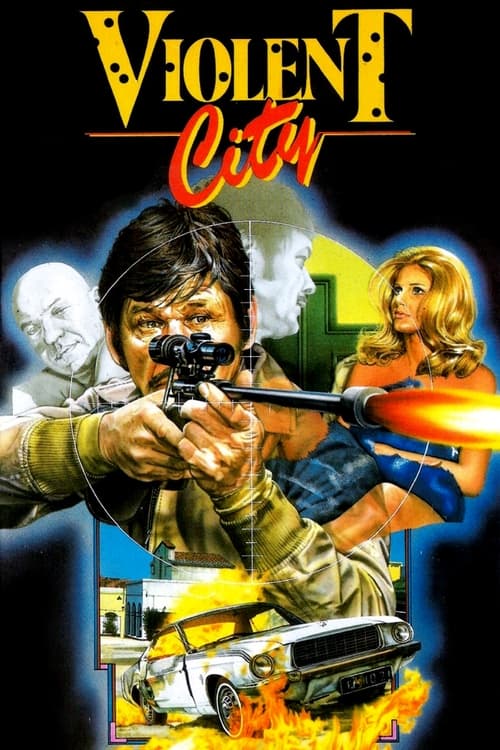
Violent City
1970
No user ratings available yet
Representation score: 2.5 out of 10
Representation Score
Limited
1969
Director
Julio Diamante
Runtime
85 minutes
Average Rating
No ratings yetNew Showbiz Analysis
The film functions primarily as a gritty crime drama focused on power and social decay rather than demographic subversion. It dismantles the traditional hero archetype by showing how a naive protagonist becomes a ruthless criminal. While the narrative provides a cynical critique of social institutions and morality, it lacks complexity in addressing various aspects of identity. The focus remains on masculine struggles for dominance within a criminal underworld. Overall, the film operates as a period-specific crime thriller that adheres to established genre conventions without significantly challenging them through diverse representation.
Category Breakdown
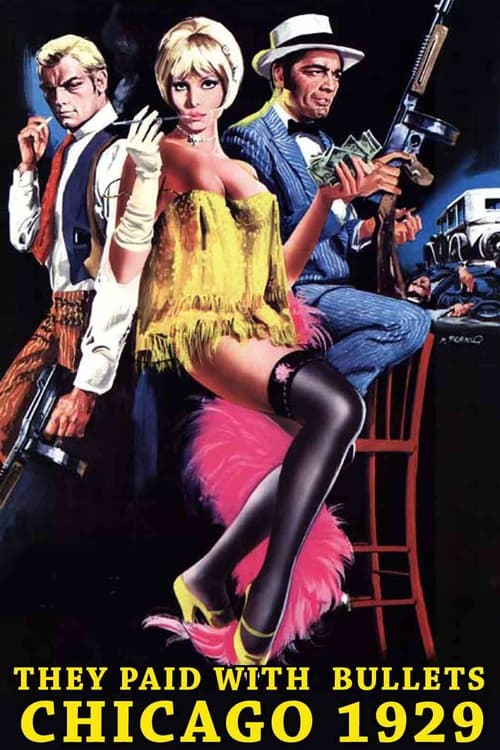
The film does not include any LGBTQ+ characters or stories that go beyond the assumption that everyone is straight or cisgender. It follows the traditional heterosexual relationships typical of crime dramas set during the Prohibition era.
Lucie's role is limited, following the traditional 'moll' stereotype. Her character's development is closely tied to the actions and goals of the male protagonists.
The film focuses on the power structures within organized crime without specifying the racial makeup of the characters. It likely reflects the typical ethnic composition of 1920s Chicago.
The film examines moral ambiguity by showing how violence replaces traditional justice. It critiques societal norms through a cynical view of systemic corruption and self-interest.
There are no characters with visible or invisible disabilities in the film, nor are such conditions central to the plot.
Present on Screen
Limited or Absent
Official Synopsis
Country bumpkin Frank runs into a gangland shooting, driving the victims to the gang's headquarters. He soon earns a place in Erik's mob. Syndicate head Big John wishes to unite the four gangs in Chicago, but Erik defies them, wishing to remain independent. An assassination attempt forces him to reconsider, and his gang isn't impressed with what they take for his cowardice. This is the point that allows the ambitious Frank to muscle in on Erik's mob, and his moll, Lucie. Frank's first move is to hire outside pros, and shoot up a casino of Big John's, challenging the entire syndicate. Erik, meanwhile, harbors feelings of revenge.
1970
1972
1973
1992
1974
1966
1974
1961
No reviews yet. Be the first to share your thoughts on this movie!
Use the rating form above to leave a star rating and optional review.