The Flanagan Boy
1953
No user ratings available yet
Representation score: 0.8 out of 10

Representation Score
Good
1994
Director
Paul Vecchiali
Runtime
117 minutes
Average Rating
No ratings yetNew Showbiz Analysis
Wonderboy is a character study that excels in subverting traditional gender roles. By contrasting a protagonist's artistic aspirations with a father's demand for toughness, the film provides a nuanced exploration of masculine identity. However, the film remains confined to a narrow demographic. Its lack of racial diversity and adherence to a traditional romantic structure limits its broader social impact. Ultimately, Wonderboy serves as a transitional work. While it challenges internal stereotypes of strength and artistry, it stays within conventional demographic boundaries.
Category Breakdown
The film focuses on a traditional heterosexual relationship between Maurice and Nora. There is no indication of queer undertones or non-cisgender identities in the story.
The story challenges rigid masculinity by focusing on a protagonist who prefers playing the violin over boxing. Nora is portrayed as a complex figure of desire, defying the patriarchal expectations set by Maurice's father.
The narrative seems to take place in a socially homogeneous environment. There is no evidence of multi-ethnic casting or diverse racial backgrounds among the main characters.
The film questions traditional institutions by emphasizing a bond formed through shared tragedy rather than legal ties. It highlights the physical toll of hyper-competitive social structures through the father's condition.
Physical disability is shown through the father, who is disabled due to his boxing career. His condition illustrates the long-term consequences of his pursuits.
Present on Screen
Limited or Absent
Official Synopsis
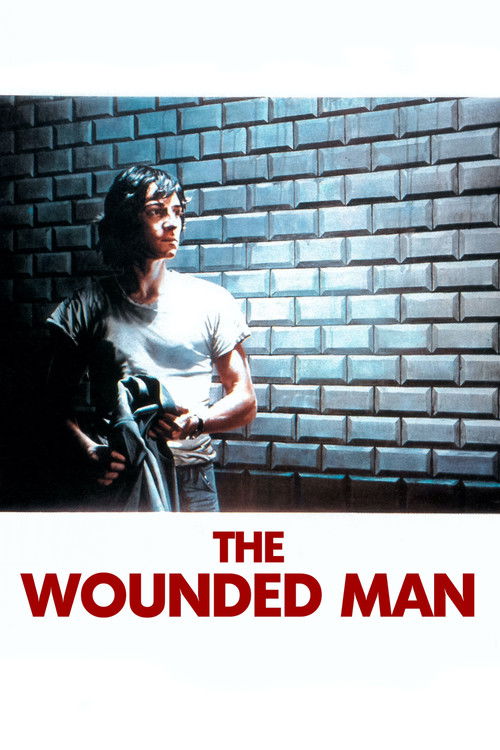
A reluctant boxer is the focus of this unique French romance. Maurice dreams of becoming a violinist. But his father, a former boxing champion crippled by his bouts, has other dreams for his pudgy but strong 18 year old son. He wants Maurice to become the next Champ. Concerned about his son's lack of machismo, the father arranges a tryst between Maurice and Nora, an aging femme fatale. Unfortunately Nora's jealous husband suddenly interrupts their romantic interlude. Maurice accidently kills the husband in the ensuing scuffle. United by the tragedy, Nora and Maurice eventually fall in love. Maurice is then inspired to become a great fighter.
1953

1952

2004
1986
1998
1955
1983

1979
No reviews yet. Be the first to share your thoughts on this movie!
Use the rating form above to leave a star rating and optional review.