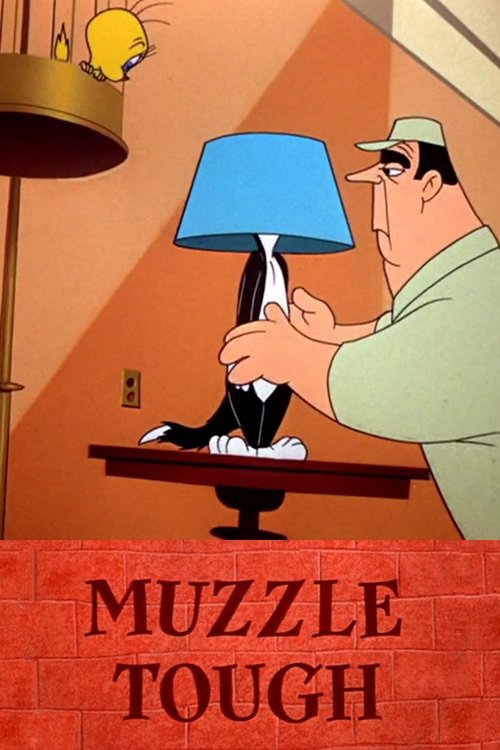
Muzzle Tough
1954
No user ratings available yet
Representation score: 0.3 out of 10
Representation Score
Minimal
1945
Director
Friz Freleng
Runtime
7 minutes
Average Rating
No ratings yetNew Showbiz Analysis
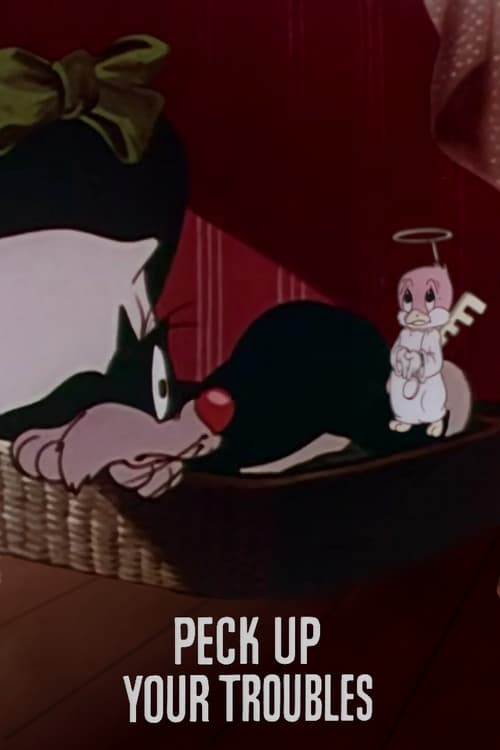
Peck Up Your Troubles is a quintessential example of mid-century Looney Tunes animation, prioritizing kinetic timing and physical gags over social depth. The conflict is purely individualistic, centered on Sylvester's failed attempts to catch a woodpecker. The film operates within a narrow, traditional framework. It avoids exploring identity, systemic structures, or the way different parts of someone's identity overlap, focusing instead on repetitive comedic cycles and visual escalation. Because the characters are anthropomorphic animals in a stylized setting, the narrative lacks the complexity required to address diverse human experiences or social norms.
Category Breakdown
The film focuses entirely on a slapstick rivalry between Sylvester and a woodpecker. There are no LGBTQ+ characters or non-cisgender identities present in this narrative.
Characterization is limited to animal archetypes. A brief costume gag involving an angel is used for comedy rather than exploring gender roles or hierarchies.
The setting avoids explicit racial markers through its non-human cast. However, the lack of diverse cultural identities results in limited representation.
The story relies on mid-century American slapstick clichés. Religious motifs, like the angel disguise, serve as visual gags rather than meaningful cultural commentary.
Physical slapstick is used as a comedic device. There is no intentional or meaningful representation of physical or neurodivergent disabilities.
Present on Screen
Limited or Absent
Official Synopsis
Sylvester is determined to get a woodpecker that just moved in, high in a tree. He climbs, but the bird greases the tree; he starts to cut it down, but a mean dog stops him (this becomes a running gag). Several other attempts follow; at one point, he puts his paw into the bird's home, and the bird puts a tomato there; Sylvester squishes it, and the bird dresses as an angel to torment him, but Sylvester sees through the disguise. Finally, Sylvester tries to blow up the tree; the dog again intervenes. Sylvester gets the dynamite off the tree and puts out the fuses, but the bird has lit them again, and now Sylvester really becomes an angel.
1954
1952
1949
1956
1950
1947
1951
1950
No reviews yet. Be the first to share your thoughts on this movie!
Use the rating form above to leave a star rating and optional review.