The Trap
1974
No user ratings available yet
Representation score: 1.8 out of 10
Representation Score
Fair
1994
Director
Jacek Skalski
Runtime
0 minutes
Average Rating
No ratings yetNew Showbiz Analysis
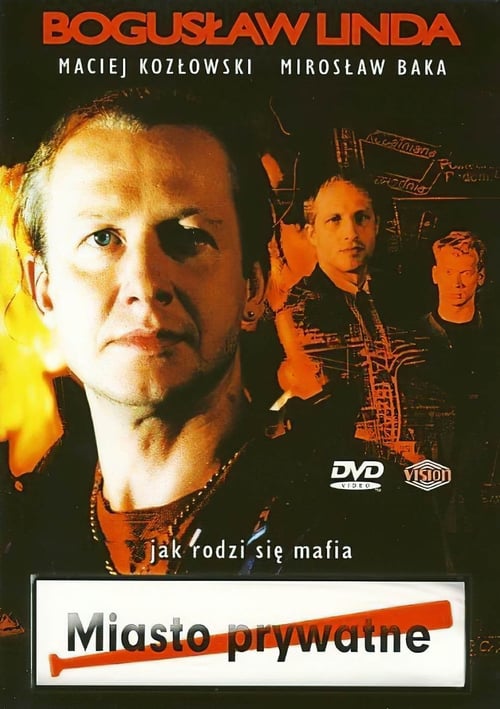
Private Town is a gritty crime drama that emphasizes a socio-political critique of systemic corruption rather than demographic diversity. It serves as a historical examination of social decay during Poland's transition to capitalism. The film excels in its critical portrayal of institutional failures and the infiltration of criminal elements into political structures. It captures a specific period of geopolitical change with historical significance. However, the film lacks depth in representing various aspects of diversity. Character interactions are based on conventional heterosexual norms, and there is no representation of disability or diverse gender identities.
Category Breakdown
The film focuses on traditional masculine bonds and heterosexual relationships. Queer narratives and non-traditional gender identities are not represented.
The story revolves around a male-dominated criminal network. Małgośka, a central figure, is primarily defined by her relationships with the male characters.
The setting is centered on a local Polish environment with minimal ethnic diversity. Russian gangsters provide a contrast, but the cast remains predominantly Polish.
The film critically examines the impact of institutional corruption during Poland's transition to a market economy. It highlights the rise of capitalism and the accompanying increase in corruption.
There are no characters with physical or neurodivergent disabilities. The story focuses on socio-economic issues and criminal activities.
Present on Screen
Limited or Absent
Official Synopsis
A town near Warsaw. A group of teenagers rules one of the courtyards: Ali, Pawik, and Małgośka, the object of both boys' fascination. A few years later, these same young people form a typical youth gang. Ali and Pawik gather around them a group of peers who have been unable to find their place in society and want to live an easy life. Robberies and thefts are their idea of a comfortable existence. A few more years pass and the gang transforms into a mafia. After the 1989 elections, it enters into deals with politicians. It also gets into a conflict with Russian gangsters.
1974
2021
2018
2009
1997
1996
1996
2016
No reviews yet. Be the first to share your thoughts on this movie!
Use the rating form above to leave a star rating and optional review.