
Zero Hour: Massacre at Columbine High
2004
No user ratings available yet
Representation score: 2.7 out of 10
Representation Score
Limited
2002
TV-PGRuntime
45 minutes
Average Rating
No ratings yetNew Showbiz Analysis
This documentary serves as a clinical psychiatric autopsy rather than a narrative feature. Its primary goal is to analyze the motivations of Eric Harris and Dylan Klebold to aid in future crisis intervention. Because the work is a specialized educational tool focused on forensic psychology, it does not utilize storytelling techniques meant to advance characters who reflect more than one aspect of diversity. The focus remains on institutional stability and the prevention of systemic violence. Ultimately, the film's low diversity score is a result of its genre, which prioritizes historical accuracy and the study of antisocial behavior over the exploration of identity politics or social subversion.
Category Breakdown
The film focuses on the pathology of violence and the psychological profiles of the perpetrators without developing any LGBTQ+ characters or critiquing the assumption that everyone is straight or cisgender.
The documentary centers on two young men involved in a tragic event. Female educators and parents offer perspectives, but the primary subjects remain male.
The film reflects the demographic makeup of Littleton, Colorado, during the time of the incident. It adheres to the factual reality of the specific event.
The narrative emphasizes Western institutional responses and community stability. It reinforces the importance of traditional authority and parental oversight to prevent social dysfunction.
Mental health and neurodivergence are examined through a clinical, forensic lens. The film treats these conditions as subjects of risk assessment rather than sources of empowerment.
Present on Screen
Limited or Absent
Official Synopsis
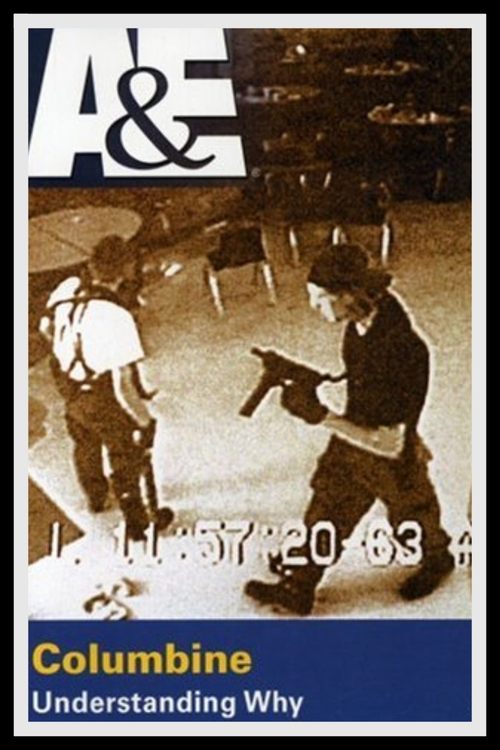
Why did Eric Harris and Dylan Klebold murder a dozen students and one teacher—and then kill themselves—at Columbine High School? In this A&E Special, the renowned Threat Assessment Group comes to Littleton, Colorado, to perform a psychiatric autopsy to better understand why Harris and Klebold killed. Armed with that information, TAG hopes to educate parents, teachers, and students on how to see the warning signs of impending violence and intervene appropriately to stop such tragedies before they take place somewhere else.
2004

2011

2000
2016
2013

2008

2019

2002
No reviews yet. Be the first to share your thoughts on this movie!
Use the rating form above to leave a star rating and optional review.