
Endgame
1983
No user ratings available yet
Representation score: 4.4 out of 10
Representation Score
Fair
1995
RDirector
Albert Pyun
Runtime
83 minutes
Average Rating
No ratings yetNew Showbiz Analysis
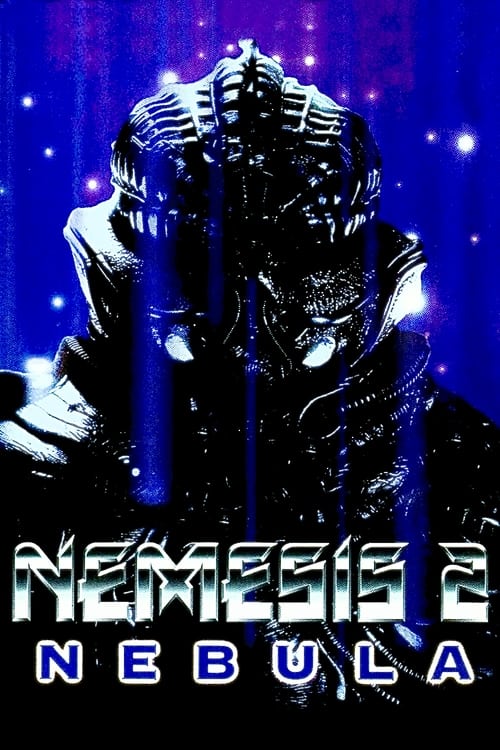
Nemesis 2: Nebula is a typical cyberpunk thriller that emphasizes traditional action clichés over diverse storytelling. The film centers on masculine-centric narratives, using a female character mainly to advance the biological plot without giving her substantial independence. Although the setting hints at a high-tech, multicultural environment, the primary characters remain largely homogeneous. The film’s exploration of human-machine integration through cybernetics serves more as a survival tool than a meaningful commentary on physical or mental disabilities. Ultimately, the film effectively critiques corporate dominance and institutional power through established science fiction conventions, but it does not make a concerted effort to challenge social hierarchies or represent diverse identities.
Category Breakdown
The film does not include any LGBTQ+ characters or non-cisgender identities. It follows a traditional storyline without engaging with queer perspectives.
The story focuses on hyper-masculine action clichés. A central female character advances the biological plot but does not have significant control over her own actions.
The futuristic setting implies a multicultural society, but the main characters remain predominantly from a similar ethnic background without intentional race-bending.
The story critiques centralized power and capitalist excess by presenting a monolithic technological entity as the antagonist. It explores anti-corporate themes through genre conventions.
Cybernetic enhancements are used as metaphors for the blend of biology and technology. However, these are shown as combat tools rather than as nuanced representations of lived disability or neurodivergence.
Present on Screen
Limited or Absent
Official Synopsis
It has been 73 years since Alex failed and the Humans lost the Cyborg Wars. Since then, the Humans have been enslaved. Scientists have developed a new DNA strain, which could signal the end of the Cyborgs, and they inject it into a volunteer. When the Cyborgs learn of the woman and the baby they list both for termination.
1983
1992
1996

2002
1994
1989

1994
2004
No reviews yet. Be the first to share your thoughts on this movie!
Use the rating form above to leave a star rating and optional review.