
Nemesis 4: Death Angel
1996
No user ratings available yet
Representation score: 7.5 out of 10

Representation Score
Good
1996
RDirector
Albert Pyun
Runtime
85 minutes
Average Rating
No ratings yetNew Showbiz Analysis
Nemesis 3: Time Lapse primarily explores the struggle between organic life and synthetic constructs through genre-based metaphors. The narrative focuses on biological mutation as a central theme, rather than explicit identity politics. Though the film does not offer clear characters who reflect more than one aspect of diversity, it presents a progressive message by framing biological alterity as a source of hope and strength. The protagonist's unique DNA is celebrated as a symbol of resilience against traditional views of disability. Overall, the film's strength lies in its critique of systemic dehumanization. It uses a cyberpunk framework to challenge the morality of institutionalized warfare and the commodification of human life.
Category Breakdown
The film does not include explicit LGBTQ+ stories or characters with diverse gender identities. The plot revolves around the conflict between mutant DNA and cybernetic constructs, focusing more on the biological aspect than on identity.
The story centers on Alex, a mutant protagonist. Female characters in this series often show strong leadership and tactical skills, but the film does not provide clear evidence of challenging traditional gender roles.
The dystopian wasteland setting implies a breakdown of traditional social structures. However, the film does not confirm a non-white majority or diverse casting that reflects multiple aspects of identity.
The film critiques the dehumanization caused by technological capitalism. It contrasts a divine spark of humanity with soulless machines, highlighting themes against institutions and capitalism.
Mutants with superhuman DNA serve as a metaphor for physical differences, positioning these mutations as sources of evolutionary strength rather than deficits.
Present on Screen
Limited or Absent
Official Synopsis
In this wasteland of despair the path to redemption is not clear. But Alex – a mutant created with super human DNA – carries the seed of hope for all mankind. In a struggle for domination that will never end, the Cyborg enemy – designed by humans as weapons without a soul – will not stop until this divine spark of humanity is eliminated. The Cyborgs are back, here and now, and stronger than ever. The terror has returned and we must face what they bring…
1996

1989

1995

2007

2014

1996
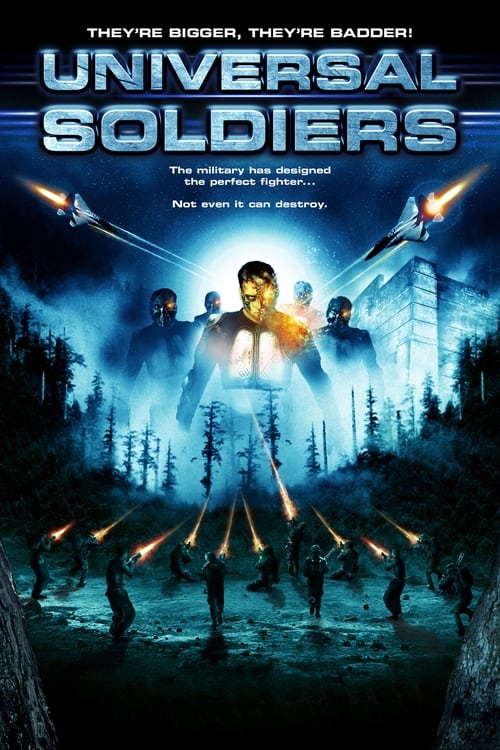
2007

1998
No reviews yet. Be the first to share your thoughts on this movie!
Use the rating form above to leave a star rating and optional review.