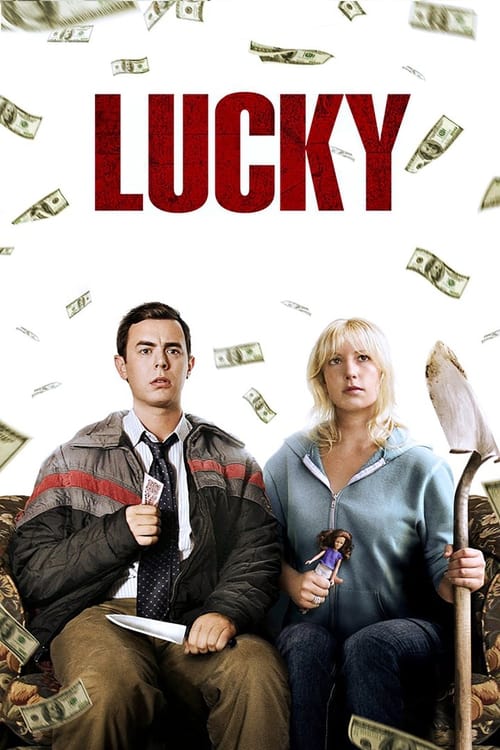
Lucky
2011
No user ratings available yet
Representation score: 2.9 out of 10
Representation Score
Limited
1998
RDirector
Richard Wenk
Runtime
115 minutes
Average Rating
No ratings yetNew Showbiz Analysis
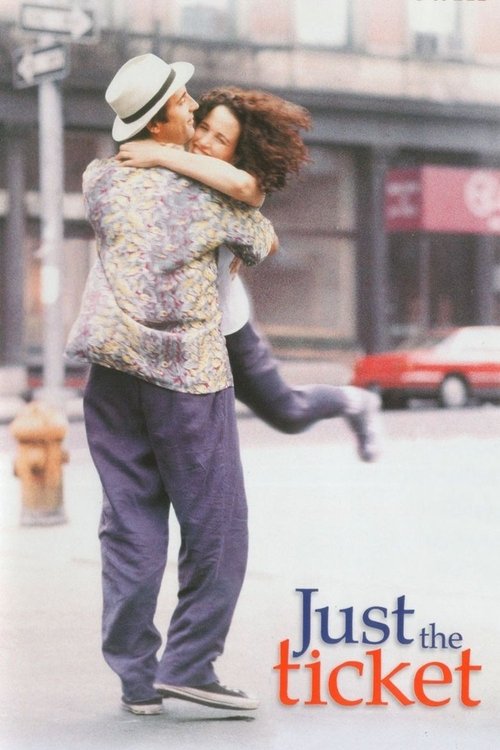
Just the Ticket follows a conventional late-90s comedic structure that prioritizes individualistic romantic stakes over systemic exploration. The narrative relies heavily on traditional clichés, such as the male protagonist's professional redemption and the female partner acting as a moral compass. The film lacks significant evidence of characters who reflect more than one aspect of diversity or diverse casting. While the setting is New York City, the character dynamics appear to adhere to homogeneous casting norms and standard assumptions that everyone is straight or cisgender. Ultimately, the film functions as a genre piece that reinforces established social hierarchies rather than challenges them. It focuses on personal morality and professional ambition within a traditional Western context.
Category Breakdown
The story focuses on a heterosexual relationship between Gary and Linda. There are no representations of LGBTQ+ identities or perspectives that challenge the assumption that everyone is straight or cisgender.
Linda takes a leading role by pursuing culinary studies and initiating the breakup. However, the plot relies on the male protagonist changing his behavior to meet her moral standards.
The narrative lacks indications of a diverse or non-Anglo-Saxon majority cast. Despite being set in New York City, there is no evidence of multi-layered complexity.
The film adheres to traditional Western religious frameworks by featuring the Pope. It emphasizes individualistic pursuits rather than systemic or cultural critiques.
There is no mention of visible or invisible disabilities. No characters are identified as having neurodivergent traits or physical impairments.
Present on Screen
Limited or Absent
Official Synopsis
Gary Starke is one of the best ticket scalpers in New York City. His girlfriend, Linda, doesn't approve of his criminal lifestyle, though, and dumps him when she gets the opportunity to study cooking in Paris. Gary realizes that he has to give up scalping if he has any chance of winning her back. But before he does, he wants to cash out on one last big score. He gets his chance when the pope announces he'll be performing Easter Mass at Yankee Stadium.
2011
2002
2001

2006

1996

2001
1999

1992
No reviews yet. Be the first to share your thoughts on this movie!
Use the rating form above to leave a star rating and optional review.