Follow the Boys
1944
No user ratings available yet
Diversity score: 2.0 out of 10
1935
Not RatedDirector
Sun Yu
Runtime
104 minutes
Average Rating
No ratings yetSynopsis
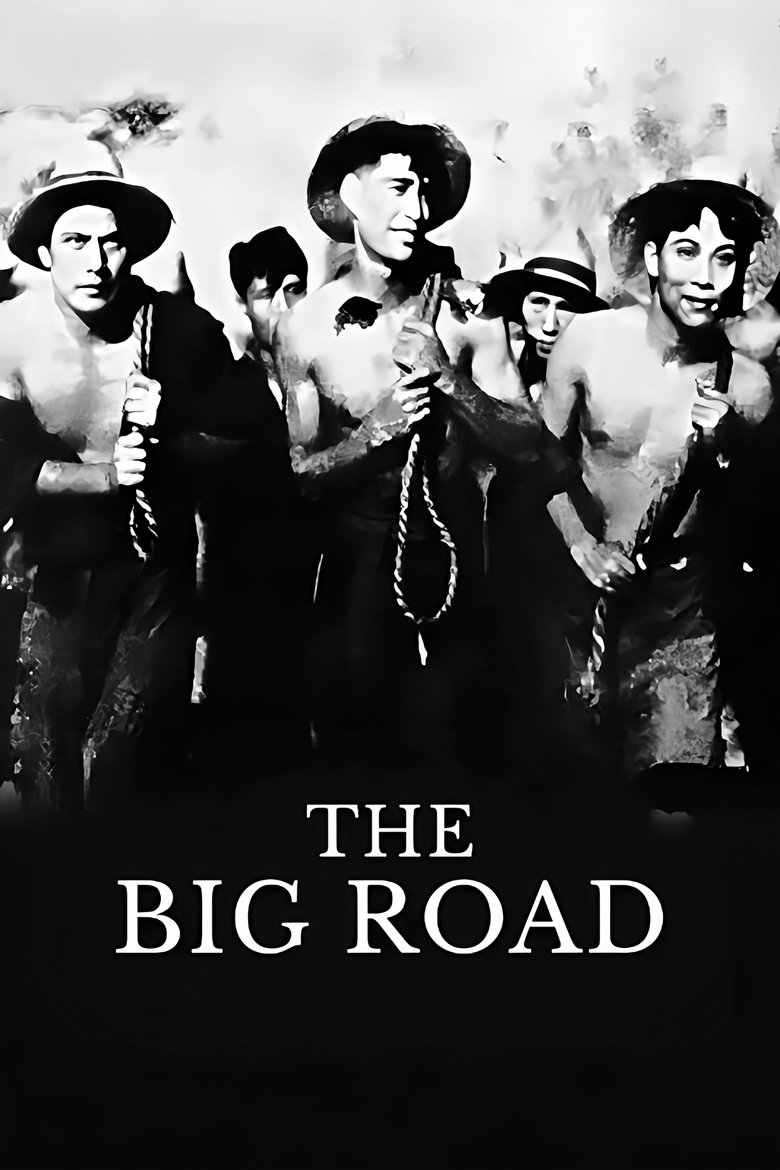
Six young men from the city take jobs building roads for the Chinese Army
Overall Score
Fair
Category Breakdown
LGBTQ+ Representation
The film does not feature queer identities or non-cisnormative gender expressions. It remains strictly focused on class-based solidarity within the social constraints of 1930s China.
Gender Representation
The narrative centers on male laborers, reflecting the occupational realities of the era. While women appear in the social fabric, they lack the central agency to drive the plot.
Racial & Ethnic Diversity
The film presents a cohesive, non-Western cast that centers Chinese identity. It subverts colonial-era tropes by depicting the working class as a high-agency, unified collective.
Religious & Cultural Diversity
The story provides a profound critique of capitalism and systemic exploitation. It prioritizes socialist-adjacent solidarity, presenting the peasantry as a dignified and driving force of history.
Disability Representation
The film depicts the physical toll of manual labor but lacks nuanced portrayals of neurodivergence or specific disabilities. Physical struggles are framed through class endurance rather than individual agency.
Strengths
Areas for Improvement
AI Analysis
Sun Yu’s *The Big Road* is a landmark of social realism that shifts the cinematic focus from individual heroes to the collective power of the proletariat. By centering the construction of a road as a metaphor for national solidarity, the film elevates the laborer to a position of narrative importance. While the film excels in its cultural and ethnic authenticity, it remains limited by the social norms of its time. The lack of gendered agency and queer representation creates a narrow demographic scope, even as the film successfully challenges Western-centric views of the East. Ultimately, the work is defined by its anti-capitalist subtext and its commitment to portraying the working class as a dignified, purposeful force. It is a film of political and social weight that prioritizes class struggle over individualist tropes.
No reviews yet. Be the first to share your thoughts on this movie!
Use the rating form above to leave a star rating and optional review.