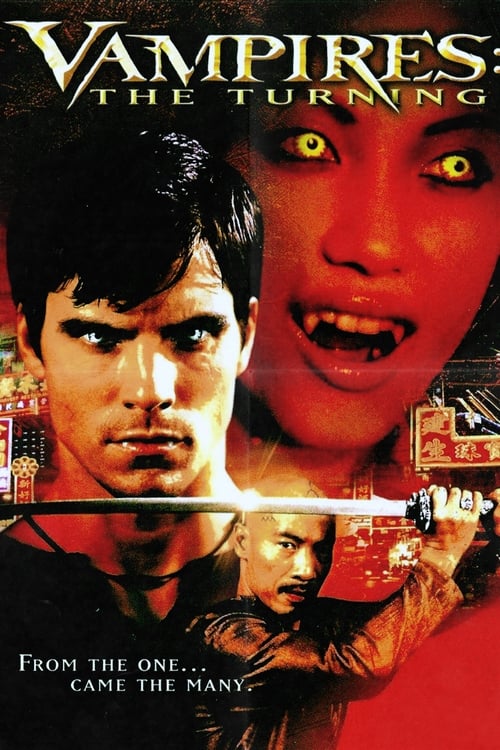
Vampires: The Turning
2005
No user ratings available yet
Representation score: 2.7 out of 10
Representation Score
Fair
2005
RDirector
Jeff Centauri
Average Rating
No ratings yetNew Showbiz Analysis
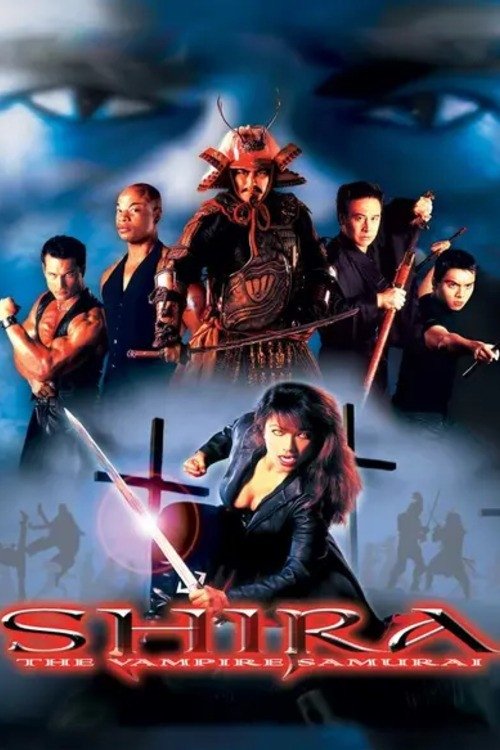
Shira: The Vampire Samurai subverts gendered expectations by placing a female protagonist in a position of martial ability to act and narrative dominance. Shira evolves from a domestic figure into a driven seeker of justice, reclaiming power through combat. While the film offers moderate inclusion through its cross-cultural setting and diverse casting, it remains anchored in traditional narrative structures. The reliance on a standard revenge arc and straight-centered relationships limits its multi-layered depth. Ultimately, the film provides a meaningful mid-range level of representation but lacks the complexity required for a higher diversity score.
Category Breakdown
The story focuses on Shira's marriage and does not include any queer romantic arcs or non-cisgender identities.
Shira moves from a domestic wife to a actively leading warrior, driving the conflict and mastering martial arts. She transitions from a passive victim to an active protagonist.
The film combines ancient Japanese aesthetics with modern American settings. Casting Flex Alexander in a samurai-inspired role suggests a move toward more diverse lead presence in traditionally homogeneous settings.
The cross-temporal structure avoids a monolithic cultural view by juxtaposing different eras. However, the plot relies on a traditional revenge arc without deeper systemic cultural critiques.
No characters navigate physical or neurodivergent disabilities. The vampiric transformation serves as a supernatural cliché rather than a representation of lived disability experience.
Present on Screen
Limited or Absent
Official Synopsis
Vampire Action Adventure starring Flex Alexander, Bejan Amini, Angeleito Bautista. In ancient Japan, Shira (Jason) and her husband are attacked by a group of ninja vampires. Her husband is killed but she survives the attack but is left as a vampire. She is nursed back to health by a kindly samurai who also teaches her the art of fighting. Cut to present day America and Shira has discovered the killer of her husband's whereabouts. She seeks out the man responsible, Kristoff, but discovers he has been looking for her. Kristoff needs to impregnate Shira to create a race of 'daywalking' vampires that he will be the ruler of.
2005
2000
2005

1985
2010
1998
2009
2011
No reviews yet. Be the first to share your thoughts on this movie!
Use the rating form above to leave a star rating and optional review.