
KiraKira☆PreCure à la Mode the Movie: Crispy! The Memory of Mille-feuille!
2017
No user ratings available yet
Representation score: 8.6 out of 10
Representation Score
Good
2018
TV-PGDirector
Hiroshi Miyamoto
Runtime
73 minutes
Average Rating
No ratings yetNew Showbiz Analysis
The film celebrates female empowerment and collective action by focusing on a diverse group of capable women. It effectively challenges traditional gender roles by placing the responsibility for heroism squarely on a female-led team. However, the narrative lacks significant racial diversity and does not include explicit LGBTQ+ relationships. The homogeneous cast and lack of queer-coded romantic arcs limit the film's broader appeal. Ultimately, the film's strength lies in its exploration of autonomy and the reclaiming of power through high-stakes scenarios that emphasize women's ability to drive the story and collective empowerment.
Category Breakdown
The film highlights strong friendships and a shared female identity without featuring explicit romantic relationships. The intense bonds and magical girl elements challenge traditional assumptions about relationships and gender roles.
This production stands out by reversing typical gender roles. The cast is made up entirely of female characters who demonstrate exceptional combat skills and leadership, emphasizing their central role in saving the world.
The cast is predominantly from a Japanese cultural background, which limits explicit racial diversity. However, transformation sequences offer various visual identities, though racial diversity is not a main theme.
The story focuses on preserving personal identity and collective memory rather than strict religious or cultural boundaries. The conflict revolves around the struggle to maintain individuality and avoid simplistic moral judgments.
The plot includes a fantastical regression cliché where characters temporarily lose their abilities. The narrative highlights the importance of supporting those who cannot act independently due to their current state.
Present on Screen
Limited or Absent
Official Synopsis
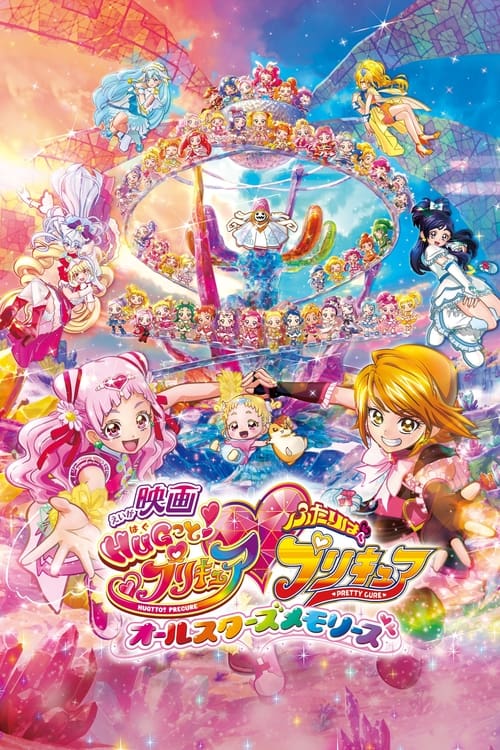
A vengeful teru teru bozu-like monster called Miden is stealing all of the Cures' magical powers and memories, turning them into helpless infants, barring Nagisa Misumi and Hana Nono. They must help the affected Cures to regain their abilities and fight off this new menance.
2017
1994
2021

2017

2020

2016
2010

2013
No reviews yet. Be the first to share your thoughts on this movie!
Use the rating form above to leave a star rating and optional review.