Grace & Glorie
1998
No user ratings available yet
Representation score: 3.6 out of 10
Representation Score
Fair
1999
Director
Tom McLoughlin
Runtime
90 minutes
Average Rating
No ratings yetNew Showbiz Analysis
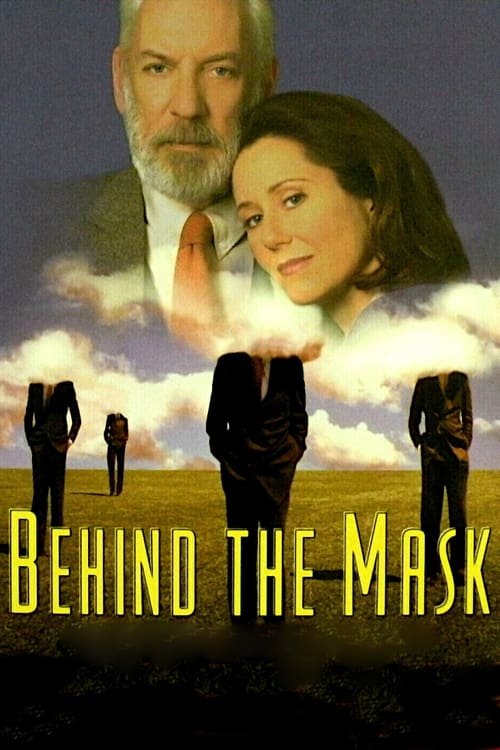
Behind the Mask is a character-driven film that explores themes of paternal responsibility and the impact of disability care. While it avoids many contemporary social critiques, it excels in its portrayal of a disabled character as an active agent of change. However, the broader narrative remains firmly rooted in traditional frameworks, limiting its scope in terms of gender, race, and identity diversity. The film successfully positions a disabled character as an active participant in the story, challenging the passive recipient cliché. Yet, the overall narrative stays within conventional boundaries, lacking broader representation of diverse identities.
Category Breakdown
The film focuses on a close friendship between two men without any romantic or non-cisgender identities. There is no depiction of LGBTQ+ relationships or identities.
The story centers on a male protagonist who navigates traditional gender roles and paternal responsibilities. The narrative does not challenge or subvert these conventional gender norms.
The film lacks explicit references to racial or ethnic diversity. Characters are portrayed within a homogeneous cultural context without highlighting different racial backgrounds.
The movie emphasizes traditional Western values related to family and social obligations. It does not offer a critical perspective on cultural norms but instead reinforces individual social duties.
The plot revolves around a facility for individuals with mental and physical disabilities. A patient plays a key role in the protagonist's personal development and emotional journey.
Present on Screen
Limited or Absent
Official Synopsis
Dr. Bob Shushan is an overworked and absent father who runs a centre for the mentally and physically challenged. When Shushan suffers a heart attack, his life is saved by James Jones, a young patient at the center. The two men forge a friendship and help each other rekindle the father-son bond that has been missing in their lives.
1998

1989

1999
1996
2005

1997
1994

2014
No reviews yet. Be the first to share your thoughts on this movie!
Use the rating form above to leave a star rating and optional review.