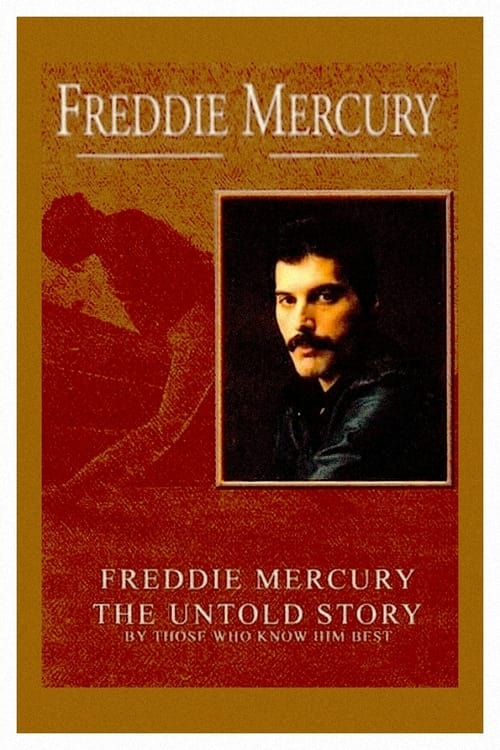
Freddie Mercury: The Untold Story
2000
No user ratings available yet
Diversity score: 7.4 out of 10
2015
Director
Simon Lupton, Rhys Thomas
Runtime
60 minutes
Average Rating
No ratings yetSynopsis
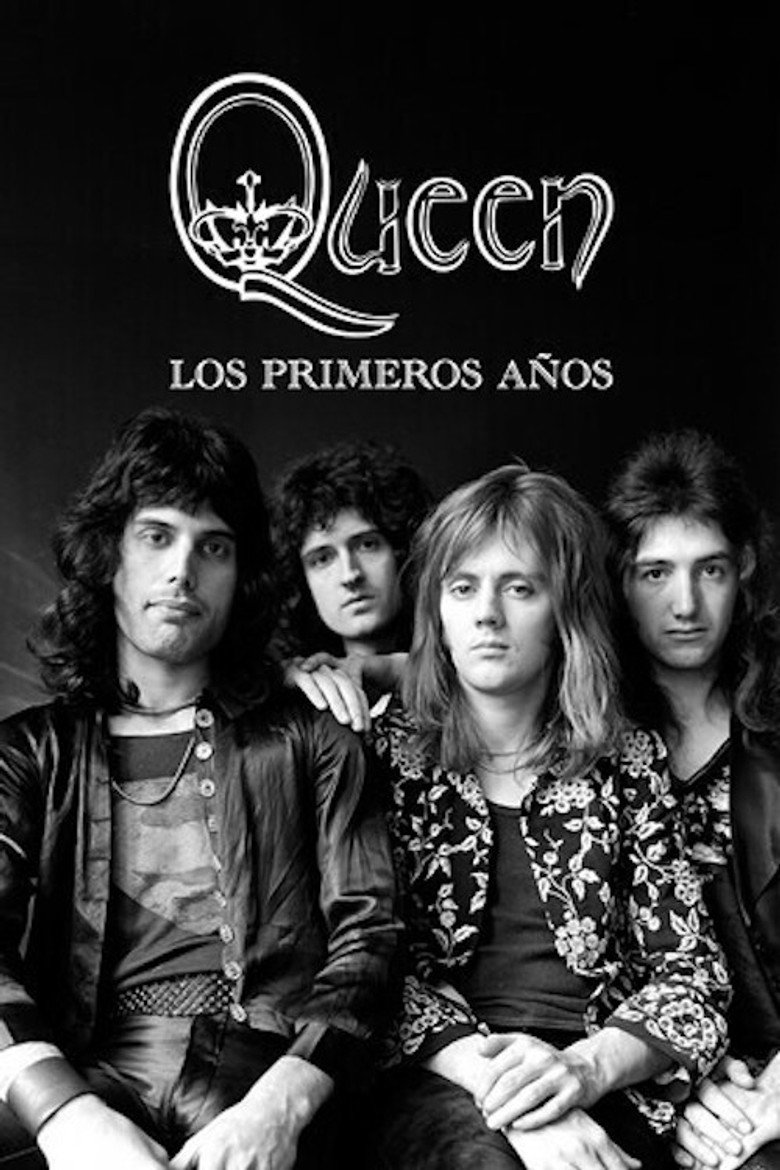
To mark the 40th anniversary of Bohemian Rhapsody, this documentary digs deep into archive to tell the story of Queen as it follows their journey from a struggling band gigging at pubs and colleges to the moment they captured the UK's hearts and minds with what was to become one of - if not the - greatest song of all time. Queen's formative years have never been explored in such detail. With a wealth of unseen interviews, recently unearthed rushes of Queen's first ever video and outtakes from the recording sessions of Bohemian Rhapsody itself, this is the unique story of early Queen, told by the band themselves. This documentary completes the final part of the trilogy alongside Days of Our Lives and Freddie Mercury: The Great Pretender. It's simple. It's real. It's raw. It's what happened.
Overall Score
Excellent
Category Breakdown
LGBTQ+ Representation
The film offers significant depth regarding Freddie Mercury's identity. It explores the complexities of navigating non-heteronormative identities through archival interviews and personal accounts.
Gender Representation
The documentary focuses on a male-dominated band and the deconstruction of masculine archetypes. However, it lacks significant female agency or diverse gendered perspectives within the band's professional circle.
Racial & Ethnic Diversity
The narrative excels by documenting Mercury’s Parsi heritage and his origins in Zanzibar and India. This disrupts traditional Anglo-centric histories of British rock music.
Religious & Cultural Diversity
The film emphasizes the tension between individual identity and systemic social expectations. It frames the protagonist's rise as a disruption of established cultural norms and traditionalist conformity.
Disability Representation
There is no significant evidence regarding the portrayal of visible or invisible disabilities within the archival focus of this musical biography.
Strengths
Areas for Improvement
AI Analysis
The documentary serves as a vital piece of musical historiography that challenges the historical homogeneity of rock music. By centering a multicultural protagonist, it weaves together themes of post-colonial identity and queer liberation. The film's strength lies in its ability to present a non-white protagonist achieving global dominance within a Western framework. This intersectional approach provides a nuanced view of how personal identity disrupts traditional social hierarchies. While the film is highly progressive in its portrayal of race and sexuality, it remains limited by its narrow focus on the male-centric band environment. This lack of diverse gendered perspectives prevents a higher score in gender representation.
2000
2006
1993

2026
2016
2019
2024

2009
2015
2020
2016
2017
No reviews yet. Be the first to share your thoughts on this movie!
Use the rating form above to leave a star rating and optional review.