Walt Disney Treasures - Mickey Mouse in Living Color
2001
No user ratings available yet
Representation score: 2.0 out of 10
Representation Score
Minimal
1937
ApprovedDirector
David Hand, Burt Gillett, Wilfred Jackson
Runtime
75 minutes
Average Rating
No ratings yetNew Showbiz Analysis
This compilation of Disney shorts serves as a historical record of early 20th-century animation. It uses anthropomorphic allegory to reinforce traditional social norms and moral lessons. However, it does not explore diverse identities or multi-layered complexities. By relying on animal archetypes, the collection avoids addressing specific human identity markers, leading to a lack of racial, ethnic, or gendered depth. While the stories offer moral guidance, they do so through a narrow, Western-centric lens.
Category Breakdown
The anthology focuses on animal fables and nature-based narratives. There is no indication of LGBTQ+ themes or non-cisgender identities.
Female characters are often portrayed in passive or decorative roles, lacking significant influence over the plot. Their roles do not challenge traditional gender hierarchies.
The collection uses generalized animal archetypes that do not represent specific racial or ethnic identities. This approach maintains a homogeneous, Western-centric tradition.
The narratives emphasize Western moral values and traditional storytelling. They promote perseverance and social unity through a clear good-versus-evil structure.
Physical characteristics are used to indicate personality traits, such as in 'The Ugly Duckling.' These representations are simplistic and tied to aesthetic archetypes rather than nuanced portrayals.
Present on Screen
Limited or Absent
Official Synopsis
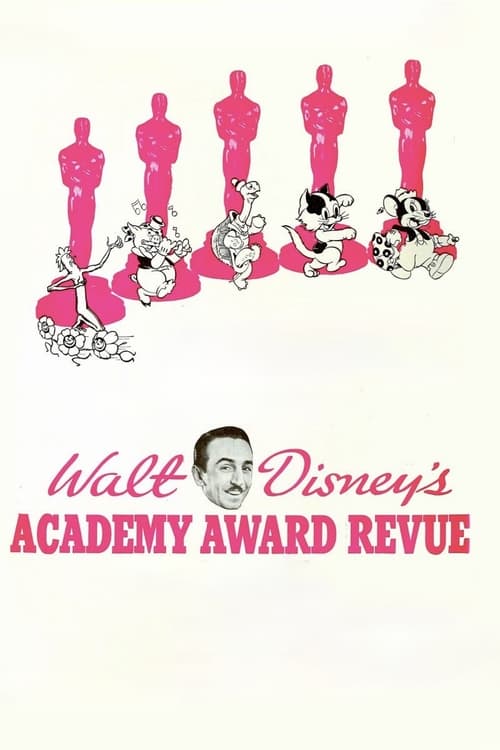
A compilation of five Oscar-winning Disney shorts, released to help promote the upcoming release of Snow White and the Seven Dwarfs. Namely: FLOWERS AND TREES (1932), THREE LITTLE PIGS (1933), THE TORTOISE AND THE HARE (1934), THREE ORPHAN KITTENS (1935), and THE COUNTRY COUSIN (1936). Additionally, four extra shorts are included from the 1966 release. Namely: THE OLD MILL (1937), FERDINAND AND THE BULL (1938), THE UGLY DUCKLING (1939), and LEND A PAW (1941).
2001

1979
1998
1981
2001

2004
1997
1982
No reviews yet. Be the first to share your thoughts on this movie!
Use the rating form above to leave a star rating and optional review.