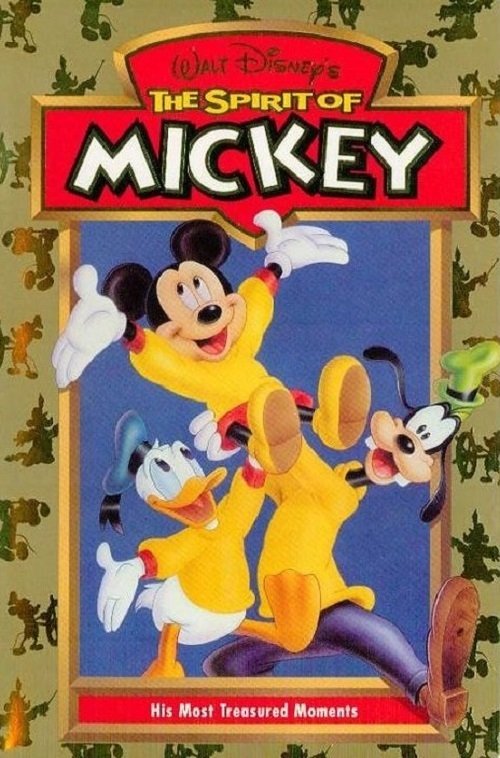
The Spirit of Mickey
1998
No user ratings available yet
Representation score: 1.7 out of 10
Representation Score
Limited
2001
Runtime
217 minutes
Average Rating
No ratings yetNew Showbiz Analysis
This collection of 1930s shorts serves as a historical record of early Golden Age animation. The stories rely on established character types and traditional hierarchies that reflect the era's social norms. While the use of anthropomorphic characters offers some abstraction, the narratives lack diversity and complexity. The shorts celebrate a traditionalist view of character interactions, focusing on slapstick humor rather than social critique or diverse identities.
Category Breakdown
The collection does not include any non-binary or LGBTQ+ identities. The relationship between Mickey and Minnie follows traditional romantic archetypes, with no same-sex intimacy or queer themes present.
Gender roles in the stories tend to follow traditional hierarchies. Minnie often has a domestic role or needs help, while Mickey is the main character who drives the action. Slapstick humor does not challenge underlying patriarchal structures.
Characters are anthropomorphic animals, which provides some abstraction but lacks intentional diversity. The social framework is homogeneous, reflecting the 1930s with no diverse ethnic representation.
The content is based on traditional Western storytelling and emphasizes social stability. There is no critique of Western institutions or traditional morality.
Slapstick mishaps are used for comedy, but there is no meaningful depiction of neurodivergence or characters dealing with disabilities.
Present on Screen
Limited or Absent
Official Synopsis
A collection of twenty-six animated shorts in color starring Mickey Mouse, released between 1935 and 1938. Cartoons: The Band Concert, Mickey's Garden, Mickey's Fire Brigade, Pluto's Judgement Day, On Ice, Mickey's Polo Team, Orphan's Picnic, Mickey's Grand Opera, Thru the Mirror, Mickey's Rival, Moving Day, Alpine Climbers, Mickey's Circus, Mickey's Elephant, The Worm Turns, Magician Mickey, Moose Hunters, Mickey's Amateurs, Hawaiian Holiday, Clock Cleaners, Lonesome Ghosts, Boat Builders, Mickey's Trailer, The Whalers, Mickey's Parrot, Brave Little Tailor.
1998

2004
1937
1981
2001

1979
2004
2004
No reviews yet. Be the first to share your thoughts on this movie!
Use the rating form above to leave a star rating and optional review.