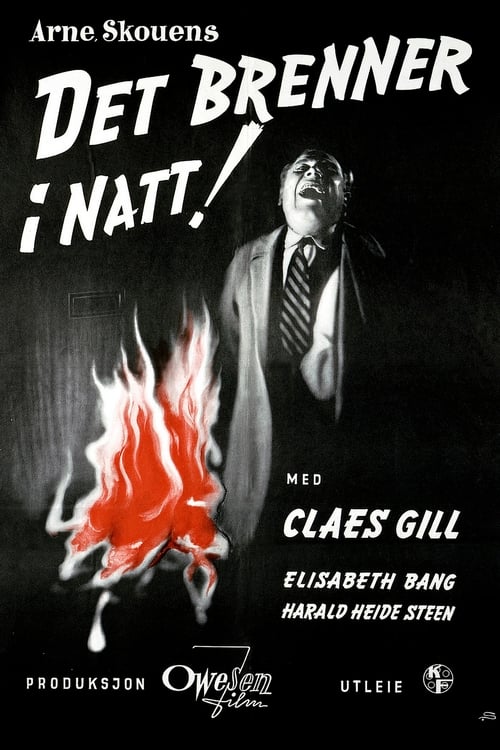
Fire in the Night
1955
No user ratings available yet
Diversity score: 3.7 out of 10

1957
NRDirector
Abner Biberman
Runtime
79 minutes
Average Rating
No ratings yetSynopsis
A mental patient with a violent past is released from the institution, against the advice of his doctors, and sent back to his old neighborhood. Was he released too soon?
Overall Score
Limited
Category Breakdown
LGBTQ+ Representation
The film lacks LGBTQ+ characters or narratives. It remains centered on traditional interpersonal dynamics without exploring queer subtext or non-cisnormative identities.
Gender Representation
The story follows standard mid-century gender hierarchies. It focuses on a male protagonist's struggle, offering no evidence of subverting traditional roles or deconstructing masculine leadership.
Racial & Ethnic Diversity
The production reflects the demographic standards of its era. There is no documented evidence of significant non-white casting or intentional efforts toward racial integration.
Religious & Cultural Diversity
The film aligns with traditional Western moral frameworks regarding law and redemption. It reinforces existing social structures rather than critiquing institutions like the family or legal system.
Disability Representation
Mental health serves as the primary narrative driver through the protagonist. However, the portrayal risks using the 'troubled individual' trope rather than an empowering narrative.
Strengths
Areas for Improvement
AI Analysis
The Night Runner is a mid-century psychological drama that functions as a product of its historical era. It prioritizes a linear exploration of redemption and the consequences of a violent past, adhering to the conventional cinematic language of the 1950s. While the film centers on the complexities of mental health and reintegration, it lacks the structural architecture to disrupt social hierarchies. The narrative focus on a singular male protagonist navigating institutional tension reinforces the status quo rather than challenging it. Ultimately, the film lacks intersectional representation and intentionality. It operates within established social norms, providing a character study of instability that reflects the demographic and cultural standards of its time.
1955
1951
1960
2009
1956
1958
1948
1969
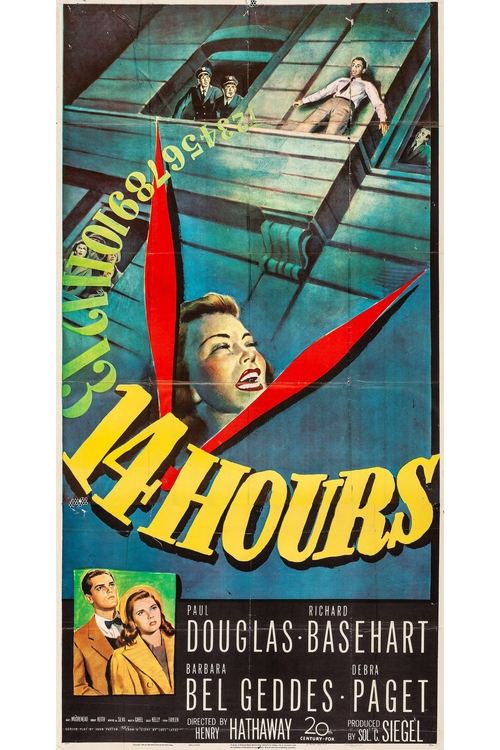
1951
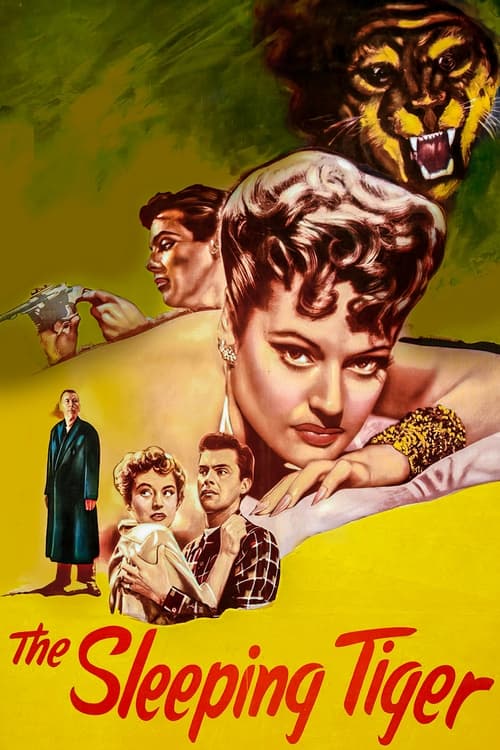
1954
1994
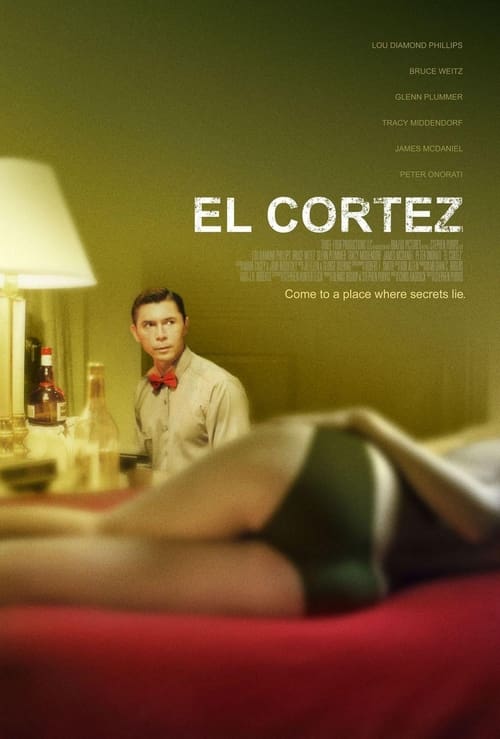
2006
No reviews yet. Be the first to share your thoughts on this movie!
Use the rating form above to leave a star rating and optional review.