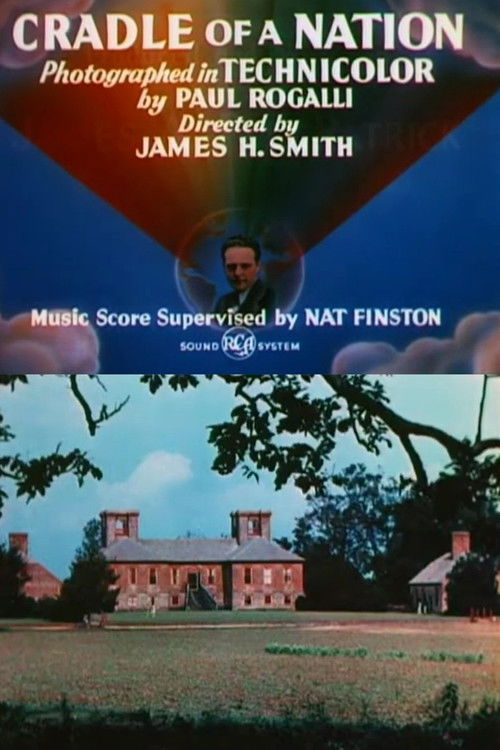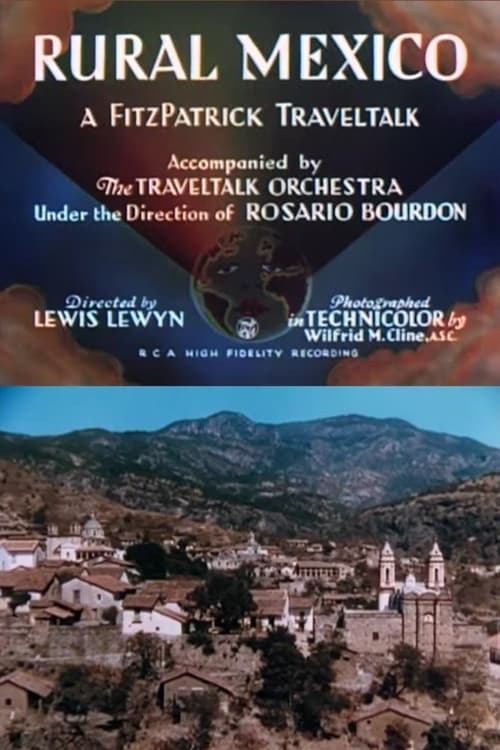
Rural Hungary
1939

Representation Score
Minimal
1938
ApprovedRuntime
10 minutes
Average Rating
No ratings yetNew Showbiz Analysis
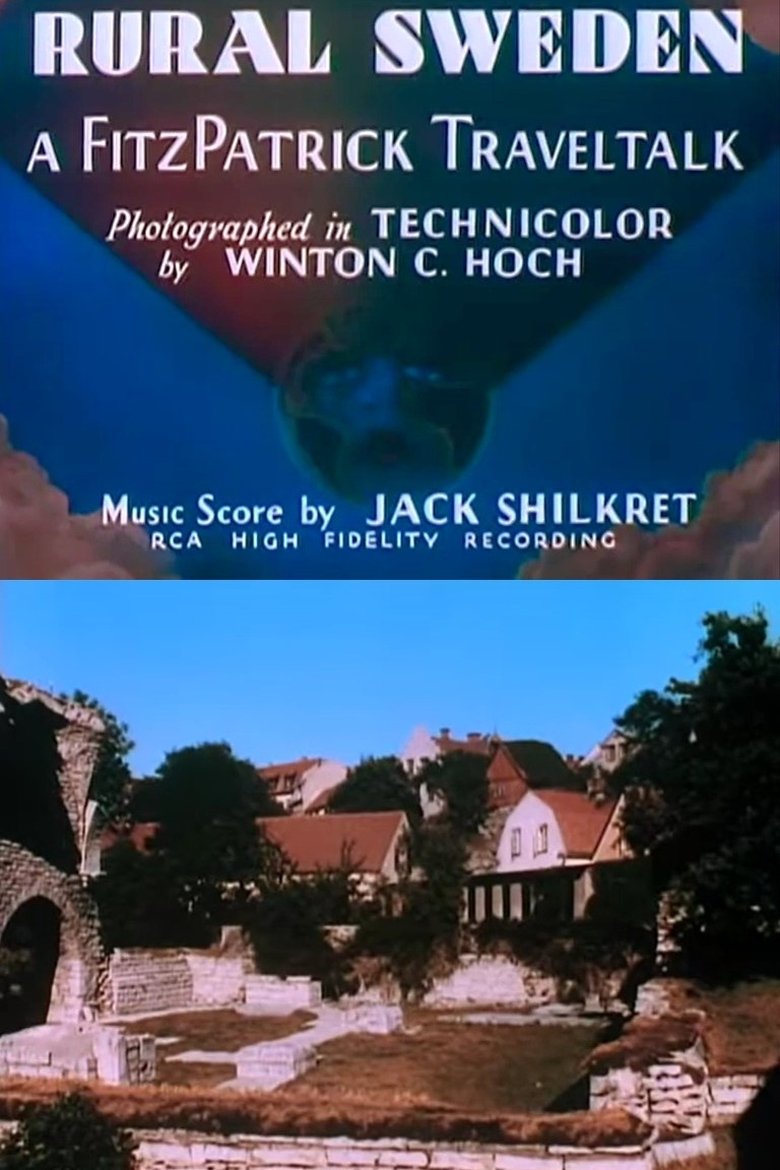
Set in rural Sweden in 1938, the film serves as a record of regional landscapes and traditional lifestyles. It operates within the parameters of 1930s regional filmmaking, focusing on historical continuity rather than modern social identity. The film adheres to the demographic realities of its era and region, limiting its scope to the historical sites and local traditions of the time. As a period-specific documentary, it lacks the intentionality needed to engage with contemporary multi-layered frameworks.
Category Breakdown
The film does not include any characters or stories related to LGBTQ+ communities. Its focus on historical sites and townscapes does not provide a space for queer identity expression.
Women are shown in roles typical of rural labor and domestic life. The film reflects the gender roles of the time without challenging traditional gender hierarchies.
The film reflects the predominantly white population of rural Sweden in the late 1930s. There is no indication of racial diversity or a non-European majority.
The documentary preserves traditional European heritage. It focuses on historical continuity and established communal structures without critiquing institutions.
There is no evidence of individuals with disabilities in the film. The focus remains on landscapes and towns.
Present on Screen
Limited or Absent
Official Synopsis
This short film takes the viewer to several towns and historical sites of rural Sweden.

1939
1923
1950

1937

1942

1937
1951
1949
No reviews yet. Be the first to share your thoughts on this movie!
Use the rating form above to leave a star rating and optional review.