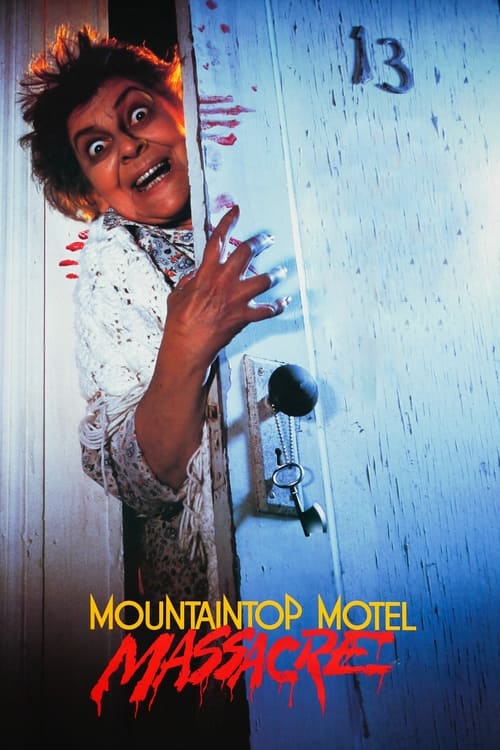
Mountaintop Motel Massacre
1983
No user ratings available yet
Diversity score: 1.6 out of 10
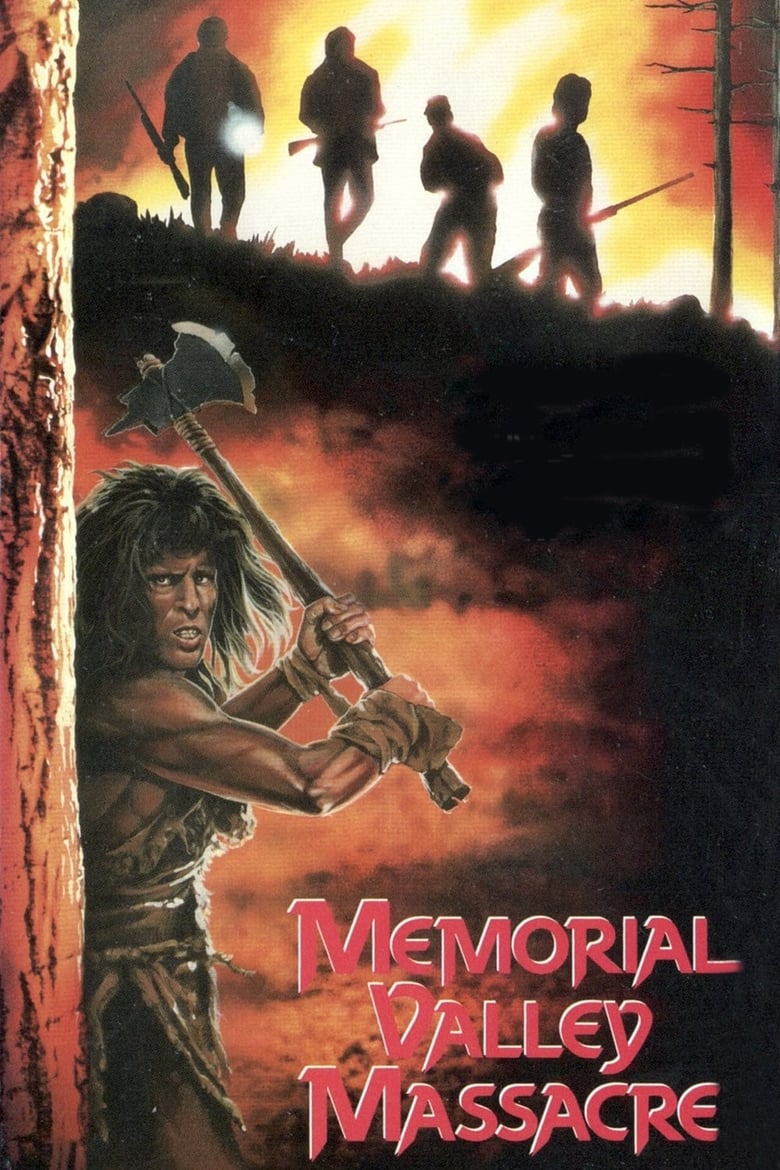
1988
RDirector
Robert C. Hughes
Runtime
93 minutes
Average Rating
No ratings yetSynopsis
Campers on a holiday are terrorized by an axe-wielding maniac.
Overall Score
Limited
Category Breakdown
LGBTQ+ Representation
The film offers no evidence of LGBTQ+ characters or non-cisnormative identities. There are no narratives present that address or explore heteronormativity.
Gender Representation
The film utilizes traditional 1980s slasher tropes, featuring female performers like Lesa Lee and Karen Russell. However, the narrative lacks evidence of high female agency or subversion of gender hierarchies.
Racial & Ethnic Diversity
The cast appears to reflect the homogeneous, Western-centric casting trends common in 1980s low-budget horror. There is no indication of diverse ethnic backgrounds or race-bent casting.
Religious & Cultural Diversity
The setting relies on traditional Western recreational tropes involving campers on holiday. The film lacks any indication of themes that critique or challenge conventional social structures.
Disability Representation
There is no mention of characters with visible or invisible disabilities. The film does not feature neurodivergent characters or those with chronic illnesses.
Strengths
Areas for Improvement
AI Analysis
Memorial Valley Massacre is a product of its era, adhering strictly to the slasher genre conventions of the late 1980s. The film relies on established tropes that prioritize a homogeneous cast and traditional social structures. Representation is minimal across the board, with a notable absence of LGBTQ+ or disabled characters. The casting leans heavily toward Western/Anglo-Saxon demographics, mirroring the low-budget horror trends of the period. Ultimately, the film functions as a standard genre piece rather than a work that seeks to disrupt social hierarchies or introduce progressive narrative architectures.
1983
2003
1981
2016
2017
1990
1989
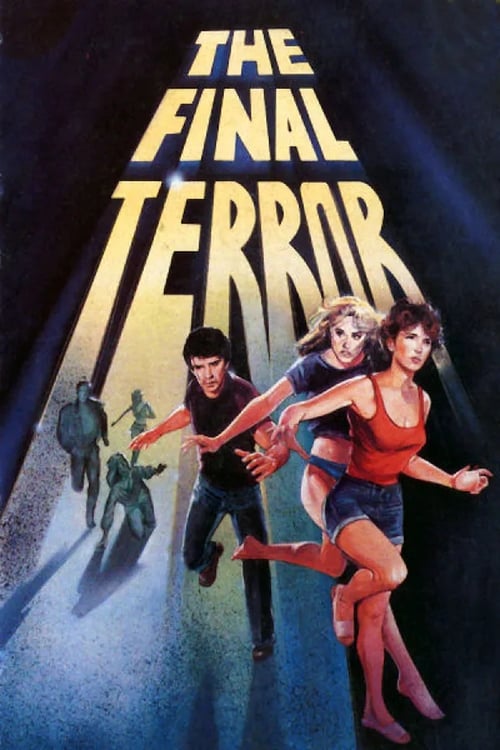
1983
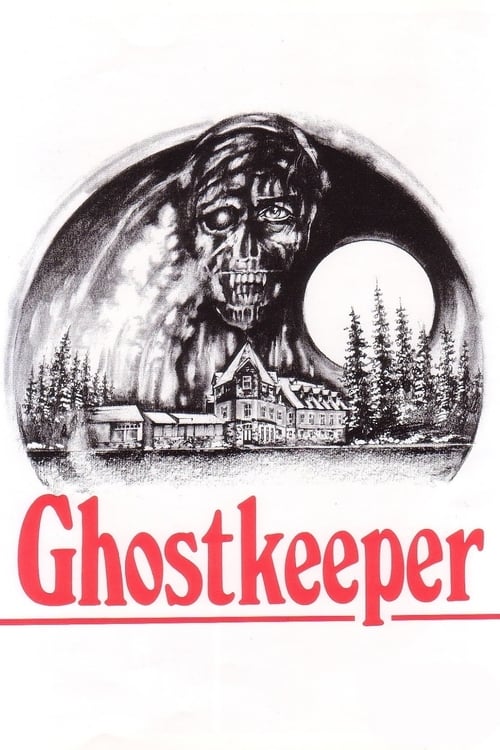
1981

2007
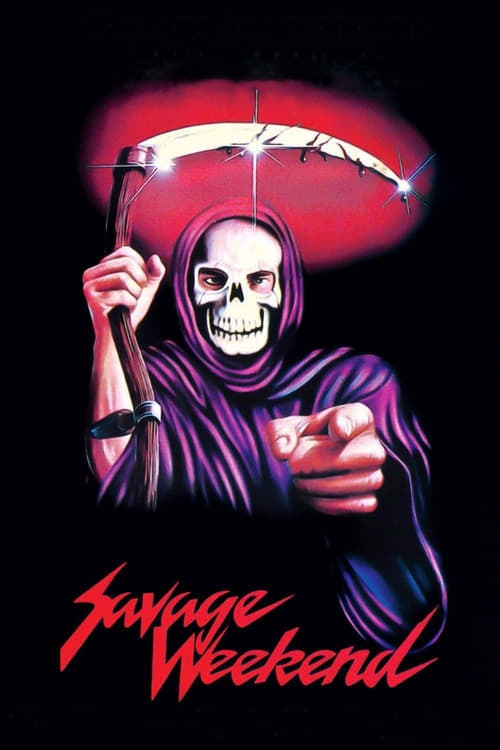
1979
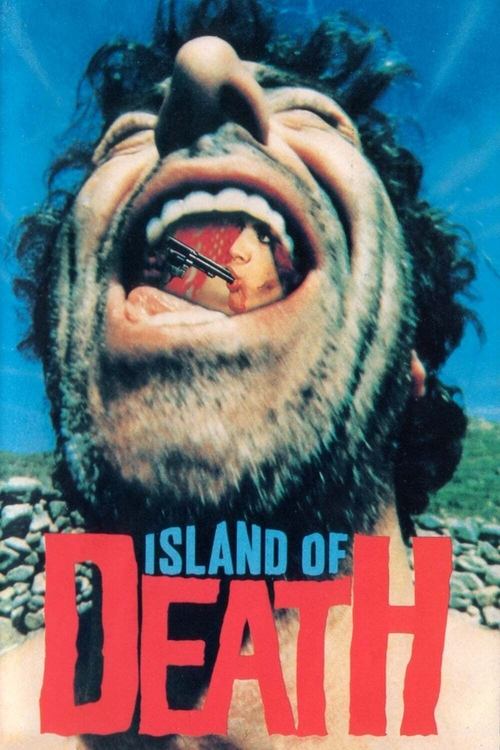
1976
No reviews yet. Be the first to share your thoughts on this movie!
Use the rating form above to leave a star rating and optional review.