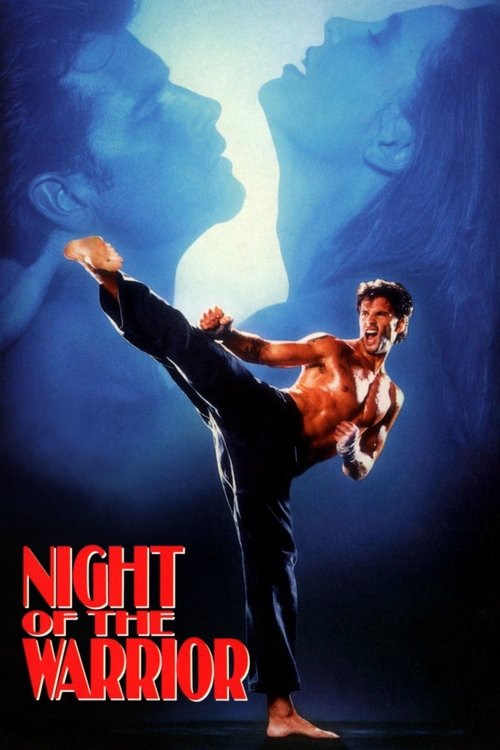
Night of the Warrior
1991
No user ratings available yet
Representation score: 1.7 out of 10
Representation Score
Fair
1975
PGDirector
William Girdler
Runtime
90 minutes
Average Rating
No ratings yetNew Showbiz Analysis
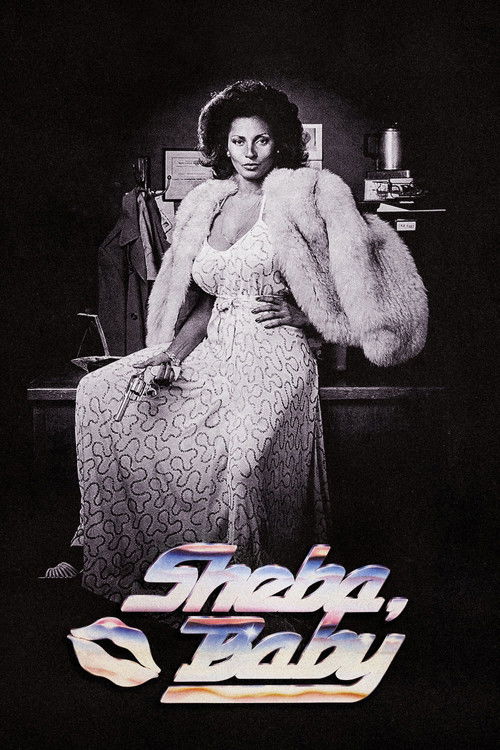
Sheba, Baby stands out for its subversion of traditional gender roles, featuring a powerful female protagonist who drives the narrative. However, the film's cast lacks racial and LGBTQ+ diversity, reflecting a narrow social landscape. The film also highlights the impact of trauma and mental health issues primarily as plot devices, without exploring the nuances of living with such conditions.
Category Breakdown
The film contains no LGBTQ+ characters. The story focuses exclusively on the protagonist's personal quest for retribution within a traditional social framework.
The film features a strong female lead who breaks traditional gender roles by demonstrating physical prowess and strategic thinking. The story centers on her autonomy rather than the damsel in distress cliché.
The cast is primarily white, reflecting the demographics typical of 1970s regional action films. There is a noticeable absence of diverse racial representation.
The narrative challenges traditional social order by portraying vigilantism as a justified response to systemic failures. It emphasizes individual empowerment over institutional authority.
Physical and psychological trauma are used mainly as plot devices for revenge. The film does not delve deeply into the experiences of those with disabilities or neurodivergence.
Present on Screen
Limited or Absent
Official Synopsis
Sheba, a Chicago private detective returns back home to Louisville, Kentucky, to help her father fight mobsters.
1991
1972
1979
1973
1967
1961
1999
1971
No reviews yet. Be the first to share your thoughts on this movie!
Use the rating form above to leave a star rating and optional review.