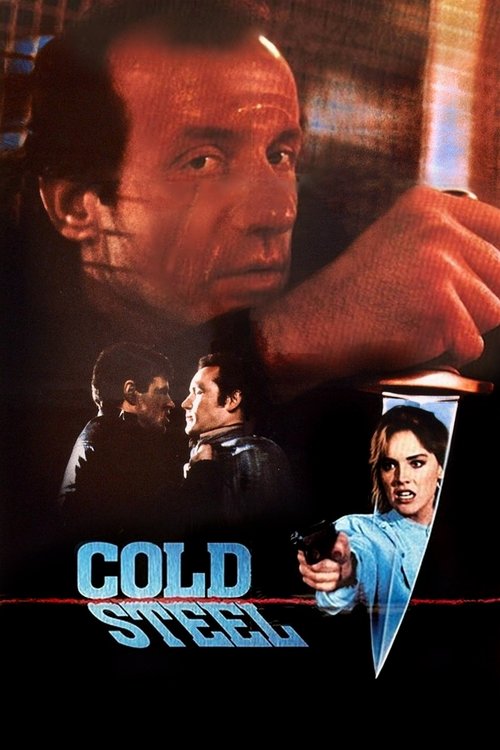
Cold Steel
1987
No user ratings available yet
Diversity score: 1.1 out of 10

1976
Director
Massimo Dallamano
Runtime
103 minutes
Average Rating
No ratings yetSynopsis
The city of Turin is in the grip of a brutal crime boss known as "Il Marsigliese" and plenty of cops have good cause to want him dead — none more than Inspector Vanni, whose wife was murdered by the ruthless gangster. Having exhausted every other avenue, Vanni forms a crack squad of motorcycle-riding, Colt .38-toting elite officers, tasked with meting out justice on the margins of the law. But when "Il Marsigliese" launches a bombing campaign designed to extort a vast ransom from the city's authorities, Vanni finds himself in a race against time to exact his revenge and avert disaster.
Overall Score
Limited
Category Breakdown
LGBTQ+ Representation
The film adheres to the heteronormative social structures of 1970s Italian crime cinema. There is no evidence of non-cisnormative gender identities or same-sex intimacy.
Gender Representation
Female characters primarily function as secondary figures or emotional catalysts, such as Inspector Vanni’s murdered wife. The narrative drive is centered on male-dominated structures of authority and violence.
Racial & Ethnic Diversity
The production reflects the demographic homogeneity of mid-70s Italian urban thrillers. The cast focuses on a localized Italian context with little evidence of racial blending.
Religious & Cultural Diversity
The film explores the friction between institutional law and individual justice. It centers on the restoration of order through masculine authority rather than systemic critique.
Disability Representation
There is no discernible presence of characters with visible or invisible disabilities. The focus remains on the physical prowess and combat readiness of the protagonists.
Strengths
Areas for Improvement
AI Analysis
Colt 38 Special Squad is a quintessential product of the poliziottesco genre, prioritizing crime thriller tropes over intersectional identity. The narrative is built upon traditional hierarchies of gender and power, focusing on urban violence and personal vendettas. The film functions as a study of institutional tension rather than a vehicle for progressive social representation. It explores the breakdown of social order through a lens of traditionalism. Ultimately, the work lacks engagement with neurodivergence, racial diversity, or non-heteronormative identities, remaining firmly rooted in the social norms of its era.
No reviews yet. Be the first to share your thoughts on this movie!
Use the rating form above to leave a star rating and optional review.