
The Rusted
2015
No user ratings available yet
Representation score: 7.3 out of 10
Representation Score
Good
2024
Director
John Pata
Runtime
92 minutes
Average Rating
No ratings yetNew Showbiz Analysis
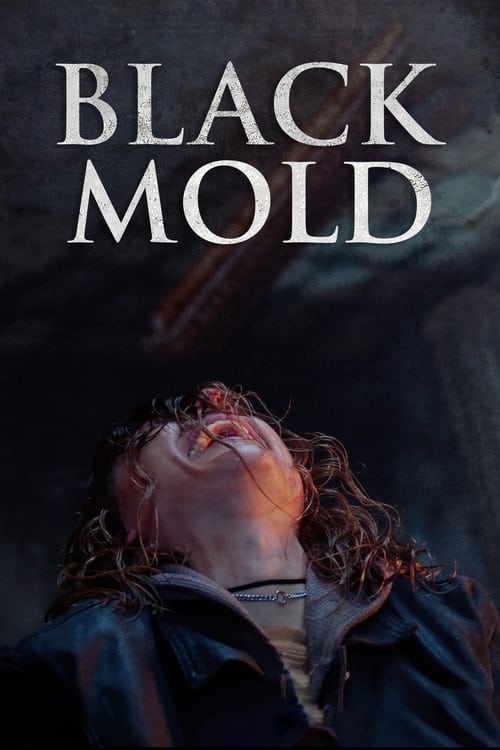
Black Mold shifts the horror genre's focus from external threats to the internal landscape of psychological trauma. By centering Brooke's journey through grief and memory, the film offers a more nuanced female perspective compared to typical slasher movies. However, the film lacks broad demographic representation. The narrative remains largely uniform, focusing on universal psychological struggles without exploring diverse cultural backgrounds or multi-layered identities. Ultimately, the film's progressive qualities lie in its deconstruction of personal history and traditional stability, even if it does not explicitly promote radical identity politics.
Category Breakdown
The film focuses on a professional relationship between Brooke and Tanner, where their connection goes beyond traditional structures but doesn't clearly confirm their non-straight identities.
Brooke avoids the typical 'final girl' stereotype by emphasizing her role in dealing with her own grief and trauma. However, the presence of male characters in supporting roles hints at traditional tensions around female autonomy.
The cast and setting seem quite uniform, centered on a small group in a rural area. There is no indication of a non-white majority or diverse racial dynamics.
The story critiques stable institutions by highlighting decaying structures and subjective morality. It prioritizes individual psychological truth over established social orders or family stability.
Psychological trauma is a central theme, showing neurocognitive distress through Brooke's recurring memories. It avoids overly inspirational messaging but remains tied to the tension of the thriller genre.
Present on Screen
Limited or Absent
Official Synopsis
Photographers Brooke Konrad and Tanner Behlman travel to rural, abandoned buildings to capture the inherent beauty of long-forgotten locations, but far from forgotten are the traumatic memories that surface in Brooke when they meet The Man Upstairs, an unsuspecting squatter. As tensions and uncertainties arise, Brooke must determine if this mysterious stranger will provide her the closure she so desperately seeks or let the fears of the past consume her.
2015
2011
2017
2026
2014
2022
2019
2017
No reviews yet. Be the first to share your thoughts on this movie!
Use the rating form above to leave a star rating and optional review.