
Mr. Smith Goes to Washington
1939
No user ratings available yet
Representation score: 2.5 out of 10
Representation Score
Minimal
1941
NRDirector
Frank Capra
Runtime
123 minutes
Average Rating
No ratings yetNew Showbiz Analysis
Frank Capra’s film is a profound study of media sociology and the ethics of mass communication. It excels at critiquing how sensationalism can be used for profit, offering a sharp look at institutional corruption. However, the film is socially conservative by today’s standards. It operates within the rigid demographic and social hierarchies of 1941, prioritizing a critique of systemic manipulation over the inclusion of diverse identities. Ultimately, while intellectually progressive regarding media ethics, the work remains traditional in its social representation, focusing on a homogeneous population and conventional gender roles.
Category Breakdown
The film does not include any LGBTQ+ characters or show queer relationships. The romantic storyline focuses solely on the heterosexual relationship between the male protagonist and the female lead.
Ann Mitchell demonstrates professional independence as a reporter, but her character ultimately falls into a traditional supporting role. The central political conflicts are primarily driven by male characters.
The social setting is predominantly white, with very few characters representing non-Anglo-Saxon backgrounds. The narrative does not explore multi-layered identities.
The film offers a sophisticated critique of media sensationalism and capitalist corruption. It examines how systemic manipulation undermines individual integrity within institutions.
The film does not depict any characters with physical, sensory, or neurodevelopmental disabilities. Characters are portrayed as having typical abilities.
Present on Screen
Limited or Absent
Official Synopsis
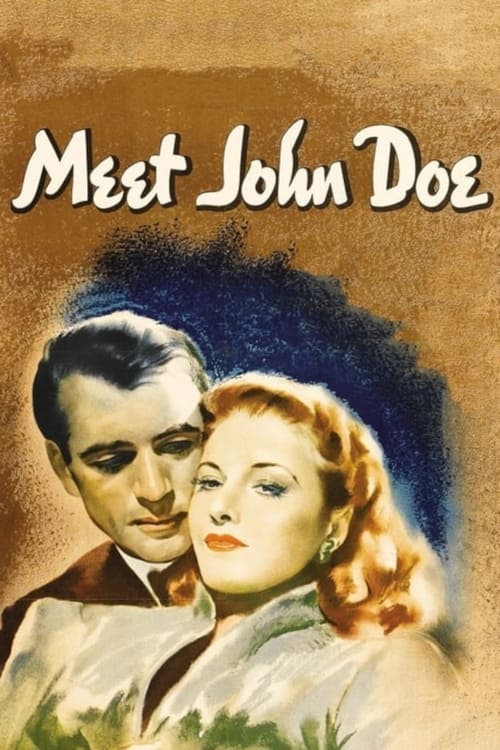
As a parting shot, fired reporter Ann Mitchell prints a fake letter from unemployed "John Doe," who threatens suicide in protest of social ills. The paper is forced to rehire Ann and hires John Willoughby to impersonate "Doe." Ann and her bosses cynically milk the story for all it's worth, until the made-up "John Doe" philosophy starts a whole political movement.
1939

1976
1936
1947
1992
1933
1961
1950
No reviews yet. Be the first to share your thoughts on this movie!
Use the rating form above to leave a star rating and optional review.