Summer of '92
2015
No user ratings available yet
Representation score: 5.2 out of 10
Representation Score
Minimal
2003
Director
Sönke Wortmann
Runtime
118 minutes
Average Rating
No ratings yetNew Showbiz Analysis
The Miracle of Bern is a period piece that emphasizes restoring mid-century social norms over modern diversity. It uses the 1954 World Cup as a catalyst for national healing, which naturally centers on the traditional structures of post-war Germany. Since the film focuses on the recovery of a specific national identity, it lacks racial and LGBTQ+ diversity. The narrative reinforces patriarchal hierarchies and homogeneous demographics consistent with the 1950s setting. While the film poignantly explores the scars of war, these themes serve the broader story of societal reconstruction rather than providing nuanced representation for individuals with disabilities.
Category Breakdown
The film adheres to traditional views where everyone is assumed to be straight or cisgender. There are no representations of non-traditional gender identities or relationships.
The story is mainly driven by male characters, such as athletes, coaches, and soldiers. Women are mostly shown in supportive or domestic roles, like mothers and wives.
The film portrays a homogeneous West German society. The cast and settings are almost entirely white, reflecting the demographics and national focus of the time.
The story celebrates national identity and the rebuilding of Western institutions. It frames the soccer victory as a moment of collective psychological and social stability.
The film uses psychological trauma and physical scars from the war as narrative devices. These elements highlight the impact of history rather than giving meaningful roles to characters with disabilities.
Present on Screen
Limited or Absent
Official Synopsis
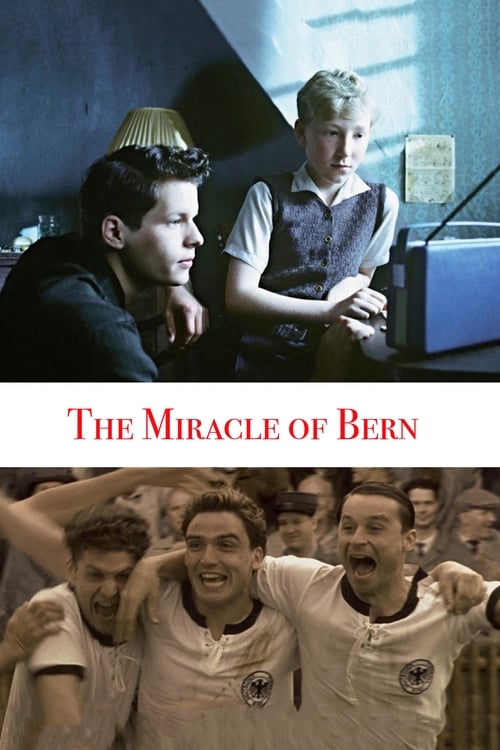
The movie deals with the championship-winning German soccer team of 1954. Its story is linked with two others: The family of a young boy is split due to the events in World War II, and the father returns from Russia after eleven years. The second story is about a reporter and his wife reporting from the tournament.
2015

2018

2017
2011
2002
2013
1991
2015
No reviews yet. Be the first to share your thoughts on this movie!
Use the rating form above to leave a star rating and optional review.