The Deep Blue Sea
2011
No user ratings available yet
Representation score: 6.7 out of 10
Representation Score
Fair
2008
PG-13Director
Julian Jarrold
Runtime
133 minutes
Average Rating
No ratings yetNew Showbiz Analysis
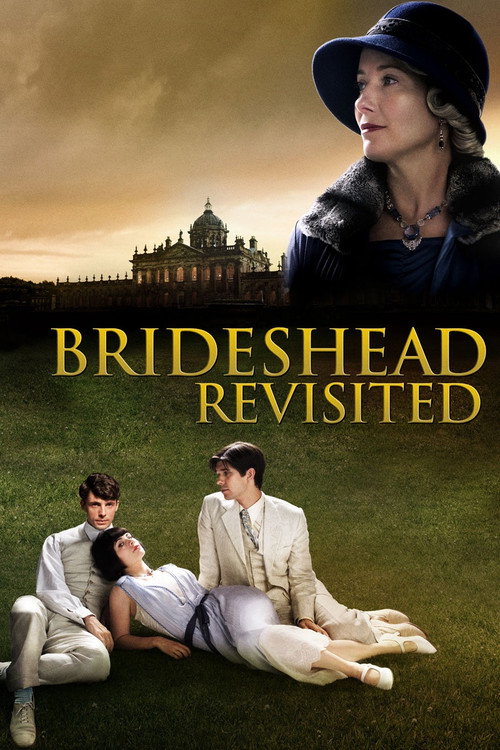
Julian Jarrold’s adaptation succeeds as a sophisticated study of identity and institutional friction. By centering the intense connection between Charles and Sebastian, the film elevates queer tension from a subplot to a primary narrative driver. This approach effectively challenges mid-century social expectations. However, the film is deeply rooted in its specific historical and class-based setting. The focus on the decline of an Anglo-Saxon aristocratic lineage results in a lack of racial and ethnic diversity. This homogeneity reflects the era's social constraints rather than a failure of scope. Ultimately, the film excels in its examination of traditional institutions and religious hierarchies. It provides a nuanced look at how individuals navigate the margins of established social and moral codes, even as it remains limited by its narrow socioeconomic lens.
Category Breakdown
The film centers a strong romantic and sexual tension between Charles Ryder and Sebastian Flyte. This relationship serves as the emotional core, challenging early 20th-century assumptions about relationships.
Female characters like Julia Flyte show ability to act while navigating the constraints of aristocratic and religious life. The story critiques the patriarchal structures that limit women's autonomy.
The cast is predominantly Anglo-Saxon, reflecting the specific aristocratic setting. There is a noticeable absence of racial or ethnic diversity within the main character arcs.
The Roman Catholic Church acts as a powerful, restrictive force dictating moral boundaries. The narrative explores the tension between personal desires and religious dogma.
There are no prominent depictions of visible or invisible disabilities that serve as central character arcs or plot drivers.
Present on Screen
Limited or Absent
Official Synopsis
Befriended by aristocrat Sebastian Flyte, Oxford student Charles Ryder finds that the power and privilege experienced by the family is seductive. On a visit to the ancestral home, Brideshead, he falls in love with his friend's sister, Julia. However, as his ties to the Flytes deepen, Ryder finds himself at odds with their strong Roman Catholicism.
2011
2015

2007

1997
2007
1971
2019

1970
No reviews yet. Be the first to share your thoughts on this movie!
Use the rating form above to leave a star rating and optional review.