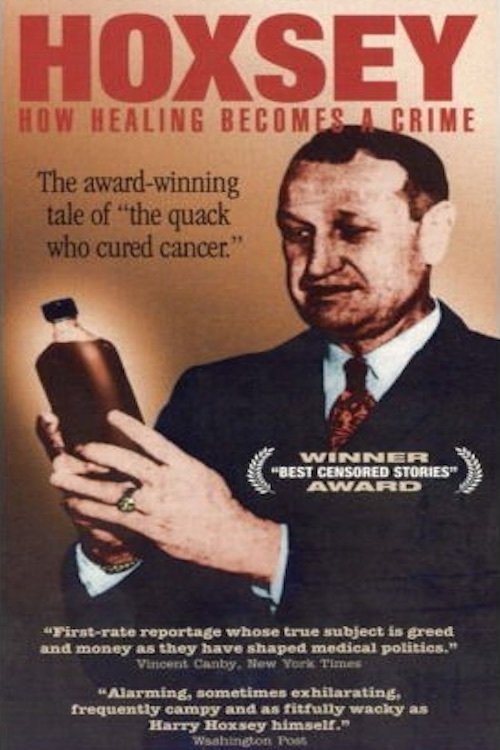
Hoxsey: When Healing Becomes a Crime
2005
No user ratings available yet
Representation score: 3.6 out of 10
Representation Score
Fair
2010
Director
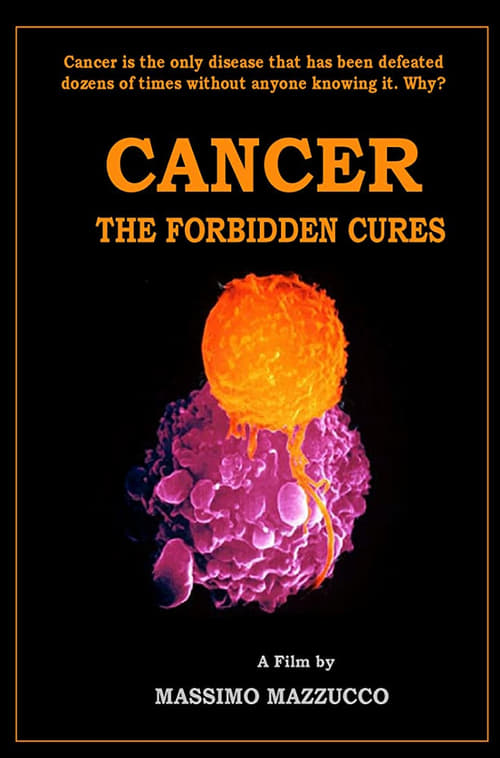
Massimo Mazzucco
Runtime
93 minutes
Average Rating
No ratings yetNew Showbiz Analysis
Massimo Mazzucco’s documentary serves as a critical examination of institutional hegemony, focusing on the intersection of corporate capitalism and medical authority. It challenges the trust in Western expertise by portraying the pharmaceutical industry as a barrier to wellness. The narrative structure is built on a postmodern skepticism of scientific consensus, suggesting that established medical truths are shaped by economic interests rather than objective reality. While the film does not feature traditional demographic representation, it achieves progressive value through its cultural critique, aligning with anti-establishment perspectives.
Category Breakdown
The film does not address gender identity or sexual orientation. It focuses on medical history and institutional critiques.
The documentary emphasizes professional expertise and traditional gender roles. It does not delve into gendered power dynamics or subvert gender hierarchies.
The film centers on global medical history and specific historical treatments. It does not highlight racial or ethnic identity as a primary narrative driver.
The film effectively deconstructs Western institutional norms and provides a strong critique of the medical-industrial complex. It highlights the prioritization of profit over patient care.
The film explores the lived experience of terminal illness through a political lens. It does not delve into personal stories or character-driven explorations of disability.
Present on Screen
Limited or Absent
Official Synopsis
Cancer is the only disease that has been defeated dozens of times without anyone knowing it. In the last 100 years, doctors, scientists, and researchers have developed diverse and effective solutions against cancer only to be thwarted by the political and propaganda power of the drug-dominated medical profession. This is the story of Essiac, Hoxsey, Laetrile, Shark Cartilage, Mistletoe, and Bicarbonate of Soda all put together in a stunning overview that leaves no doubt that inexpensive cures for cancer do exist but are systematically blocked by Big Pharma because they come from nature and cannot be patented. Highly informative.
2005
2019
2016
2010
2004
2017
2012
2012
No reviews yet. Be the first to share your thoughts on this movie!
Use the rating form above to leave a star rating and optional review.