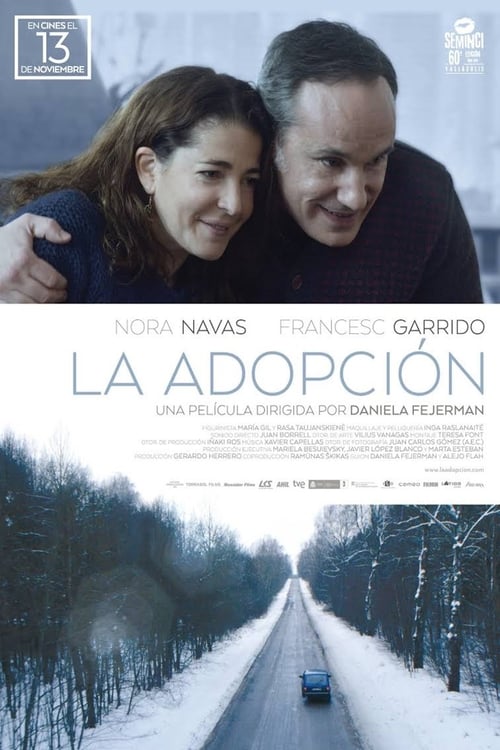
La adopción
2015
No user ratings available yet
Representation score: 4.5 out of 10
Representation Score
Limited
2012
Director
Adrian Popovici
Runtime
105 minutes
Average Rating
No ratings yetNew Showbiz Analysis
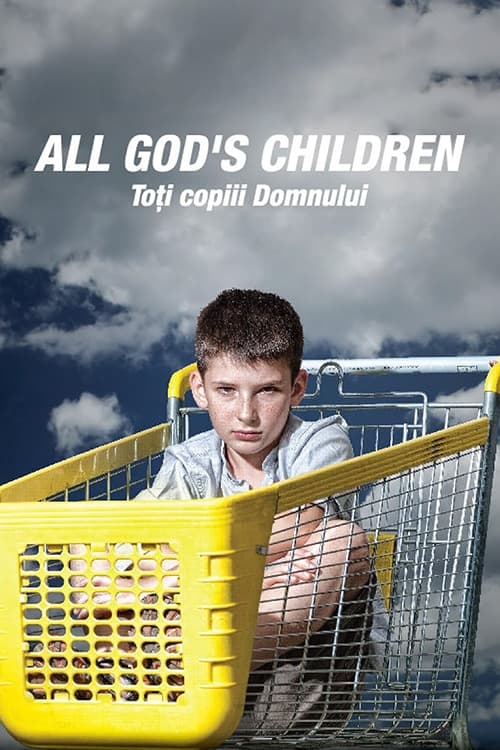
All God's Children is a character-driven drama centered on grief, displacement, and the intricacies of adoption. The story follows Alina and Peter as they navigate loss and seek connection across borders. The film explores transnational identity through its movement between Italy and Moldova. While it offers a nuanced portrayal of the emotional weight of loss, the narrative follows a conventional dramatic arc. Ultimately, the film emphasizes familial restoration and traditional domestic structures. It does not actively seek to disrupt social hierarchies or challenge established gender and institutional norms.
Category Breakdown
The film centers on heterosexual family dynamics, particularly the relationship between Alina and Peter. It does not include any characters with non-binary gender identities or queer relationships.
Female characters such as Alina and Irina play key roles in driving the emotional narrative. However, they mostly adhere to traditional feminine archetypes of maternal longing and emotional strength.
The story unfolds in a transnational setting between Italy and Moldova. Despite offering geographic variety, the narrative primarily focuses on internal emotional states rather than diverse racial backgrounds.
The narrative incorporates spiritual themes and the sanctity of the family unit. It adheres to traditional views of domestic stability and religious practices.
The synopsis does not mention any characters dealing with physical, neurodivergent, or mental health conditions.
Present on Screen
Limited or Absent
Official Synopsis
Alina and her husband Peter, had lost his son in a car accident. They came to Moldova, Alina place of birth, trying to adopt a child. Păvălaş reminds him of his lost son. Irina fled from Italy and returned to find the child. She meets her friend, Tatiana, and together they go in search of Păvălaş.
2015

1995

2005
2017
2017

2005

2005

2007
No reviews yet. Be the first to share your thoughts on this movie!
Use the rating form above to leave a star rating and optional review.