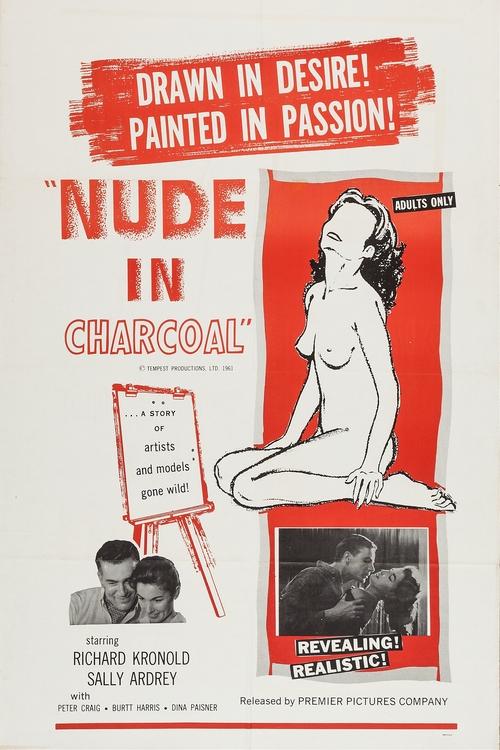
Nude in Charcoal
1961
No user ratings available yet
Representation score: 4.1 out of 10
Representation Score
Fair
1970
15Director
Boris Szulzinger
Runtime
87 minutes
Average Rating
No ratings yetNew Showbiz Analysis
Boris Szulzinger’s experimental work shifts the cinematic focus from romantic idealism to the raw reality of physical vulnerability. By centering on a female student's experience with bodily autonomy and the consequences of intimacy, the film challenges conventional narrative structures. While the film successfully disrupts traditional moral hierarchies and the male gaze, it lacks specific evidence regarding racial or disability representation. The score reflects a work that is narrow in scope but significant in its challenge to social norms. Ultimately, the film serves as a study of individual subjectivity and the complexities of human relationships during a period of significant cultural change.
Category Breakdown
The film operates within a 1970s French experimental tradition that often questions traditional sexual norms. However, there is no clear depiction of characters with non-straight identities or queer storylines.
The story focuses on a female protagonist's bodily control and inner life. It avoids typical romantic clichés by emphasizing her personal experience after a physical encounter.
Insufficient information is available to determine the racial makeup of the cast. The film concentrates on the protagonist's personal and physical situations.
The story emphasizes secular, personal experiences rather than traditional moral or religious frameworks. It deconstructs romantic idealism through a cynical view of interpersonal fragility.
There is no information indicating the presence of characters with visible or invisible disabilities.
Present on Screen
Limited or Absent
Official Synopsis
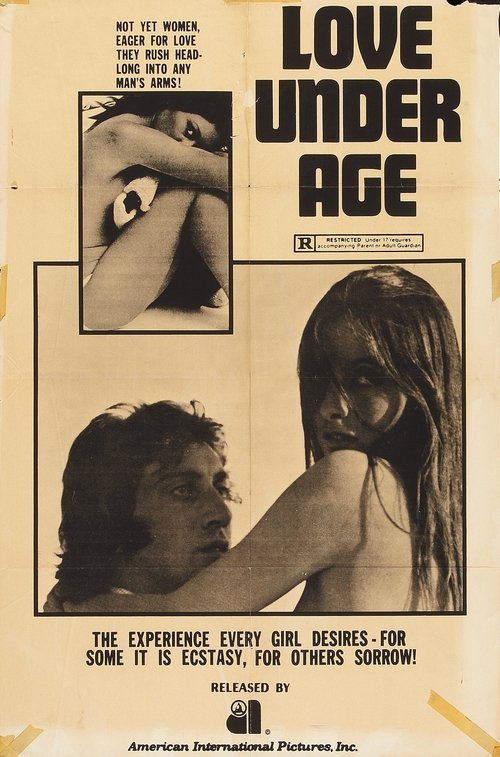
Nathalie, a student at the Sorbonne, becomes a model and lover of a painter until the artist transmits a venereal disease to her.
1961

1980
1970
1956
1969

1980
1938
1964
No reviews yet. Be the first to share your thoughts on this movie!
Use the rating form above to leave a star rating and optional review.