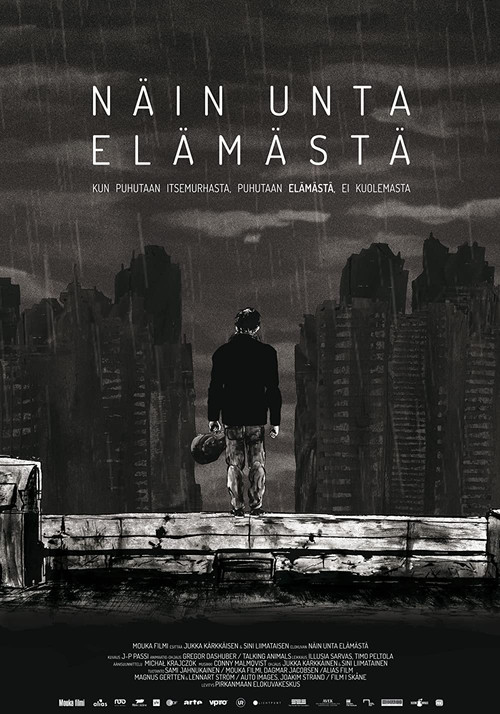
Once I Dreamt Of Life
2014
No user ratings available yet
Representation score: 7.9 out of 10
No Poster Available
Representation Score
Excellent
2009
Director
Jay Rosenblatt
Runtime
26 minutes
Average Rating
No ratings yetNew Showbiz Analysis
Jay Rosenblatt’s documentary shifts focus from traditional hero narratives to the margins of human experience. Through discarded 16mm footage and personal journals, the film creates a lyrical, non-linear meditation on isolation and despair. The film’s strength lies in its global scope and refusal to provide easy moral resolutions. It treats sensitive subjects with a sophisticated, relativistic approach that bypasses institutional hierarchies. While the fragmented nature of the archival footage limits specific identity documentation, the film effectively centers the experiences of those facing profound psychological distress.
Category Breakdown
The film uses found footage, so specific LGBTQ+ identities are not clearly shown. The score provides a neutral backdrop for exploring universal human emotions.
The film explores experiences across the gender spectrum, including an elderly couple's shared journey. It avoids traditional gender clichés, focusing on shared human isolation.
The narrative includes international case studies, such as a phenomenon in Japan, providing a global perspective and avoiding a purely Western lens.
The film prioritizes psychological exploration over religious frameworks, challenging traditional Western views of social order. It frames mental health struggles with compassion.
The film deeply explores mental health and neurodivergence. Using personal journals, it treats internal psychological realities as valid subjects rather than mere spectacles.
Present on Screen
Limited or Absent
Official Synopsis
The Darkness of Day is a haunting meditation on suicide. It is comprised entirely of found 16mm footage that had been discarded. The sadness, the isolation, and the desire to escape are recorded on film in various contexts. Voice-over readings from the journal kept by a brother of the filmmaker’s friend who committed suicide in 1990 intermix with a range of compelling stories, from the poignant double suicide of an elderly American couple to a Japanese teenager who jumped into a volcano, spawning over a thousand imitations. While this is a serious exploration of a cultural taboo, its lyrical qualities invite the viewer to approach the subject with understanding and compassion.
2014
1978

2017
2015

2009
2006

2021

2011
No reviews yet. Be the first to share your thoughts on this movie!
Use the rating form above to leave a star rating and optional review.