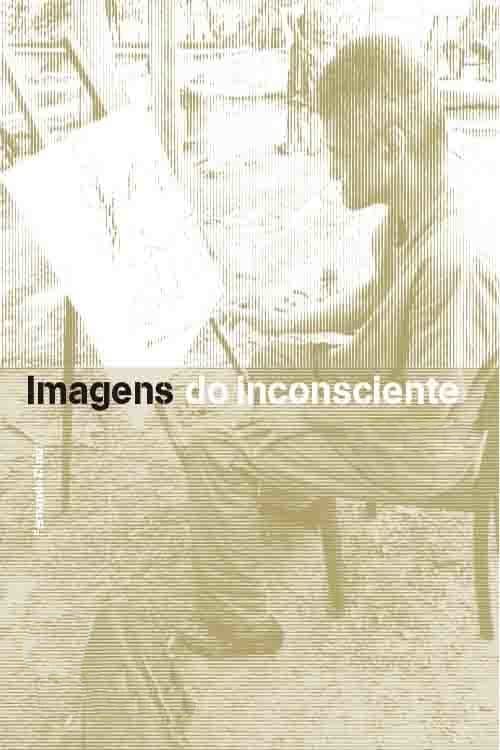
Images of the Unconscious
1987
No user ratings available yet
Representation score: 8.3 out of 10
No Poster Available
Representation Score
Limited
1950
Director
Éric Duvivier
Runtime
18 minutes
Average Rating
No ratings yetNew Showbiz Analysis
Éric Duvivier’s documentary offers a unique historical perspective on neurodivergent creativity. By focusing on the paintings of psychiatric patients, the film shifts the focus from medical observation to artistic expression. This approach gives the subjects a sense of intellectual authority. The work successfully challenges the traditional hierarchy between the observer and the observed. Instead of a conventional narrator, the visual language of the patients drives the narrative. However, the film’s scope is limited, focusing primarily on disability representation without providing enough information to evaluate its impact on gender, race, or LGBTQ+ visibility.
Category Breakdown
There is no verifiable evidence regarding LGBTQ+ characters or themes of non-straight-centered identity in this film.
The film does not provide specific details about the gender dynamics of the patients or the creative team.
Set in a 1950s French clinical environment, the film makes it challenging to assess the racial diversity of the patient population.
The film questions traditional norms by highlighting art that exists outside standard Western aesthetics. It suggests that conventional societal structures can be limiting.
The film emphasizes the creative ability to act of individuals with mental health conditions, presenting them as active creators rather than passive medical subjects.
Present on Screen
Limited or Absent
Official Synopsis
A short film which explores various paintings from mental patients.
1987
2009
1974
1981
2007
1994
1988
1999
No reviews yet. Be the first to share your thoughts on this movie!
Use the rating form above to leave a star rating and optional review.