
Run
2002
No user ratings available yet
Representation score: 1.4 out of 10
Representation Score
Minimal
2006
Director
K. S. Ravikumar
Runtime
160 minutes
Average Rating
No ratings yetNew Showbiz Analysis
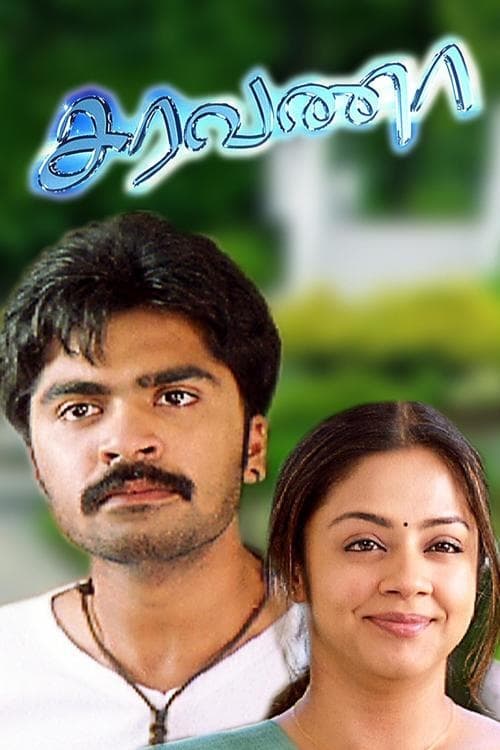
Saravana is a quintessential masala drama that prioritizes traditionalist storytelling and the preservation of existing social hierarchies. The film functions as a vehicle for a singular heroic protector, focusing on familial cohesion and regional identity. While the film offers a robust and specific portrayal of South Indian rural and semi-urban life, it lacks intentionality regarding multi-layered depth. The narrative relies on conventional formulas, such as the male protagonist resolving communal conflicts through physical force. Ultimately, the film reinforces traditional gender roles and straight-centered structures. It celebrates the restoration of the family unit rather than critiquing the systemic or social frameworks that govern the characters' lives.
Category Breakdown
The film operates within a strictly straight-centered framework. The romantic arc focuses on traditional courtship between the leads, with no presence of diverse sexual orientations or gender identities.
Narrative ability to act is heavily concentrated in the male protagonist. While Sadhana is central to the plot, her role is largely defined by her need for protection and her relationships with men.
The setting provides an authentic portrayal of South Indian life. However, the cast is culturally homogeneous, focusing on localized ethnic and caste dynamics rather than blending multiple backgrounds.
The story celebrates traditional family values and communal honor. It reinforces established social orders and uses religious rituals as foundational elements of the social fabric.
There are no prominent depictions of visible or invisible disabilities that serve as central character arcs or plot drivers.
Present on Screen
Limited or Absent
Official Synopsis
Saravana and Krishna are close buddies in college. Saravana sees a video tape of Krishna's sister Sadhana studying in London and falls in love with her. So to meet her, Saravana goes with Krishna to a village near Tirunelveli where he finds that there is a bloody war going on between two warring caste groups. Krishna's brother Soundarapandi his wife and Krishna are killed by the rival group of Dorai Singam. However Saravana saves Sadhana and takes her to Chennai. Initially Sadhana is not accepted by Saravana's large family but slowly when they come to know about her background they support and love her. The rest of the film is how Saravana tries to help Sadhana to go back to London, and in the process eliminates the entire gang of Dorai Singam single-handedly.
2002

2006
2004

1994
1990

2019

2024

2013
No reviews yet. Be the first to share your thoughts on this movie!
Use the rating form above to leave a star rating and optional review.