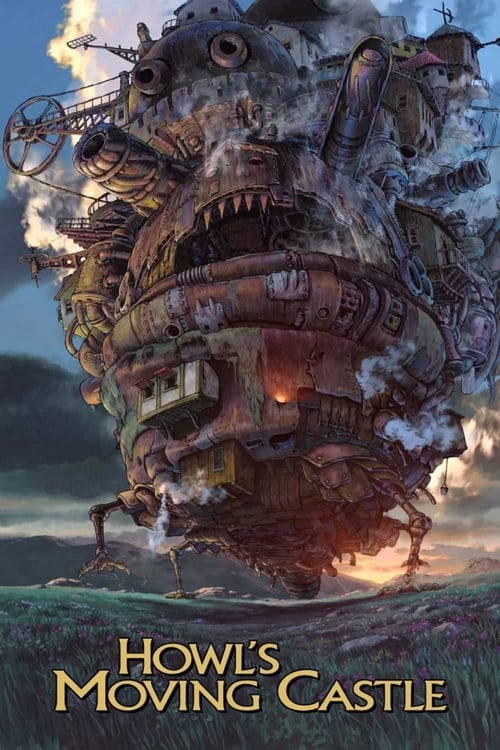
Howl's Moving Castle
2004
No user ratings available yet
Diversity score: 6.8 out of 10
1970
GDirector
Dave Monahan, Abe Levitow, Chuck Jones
Runtime
90 minutes
Average Rating
No ratings yetSynopsis
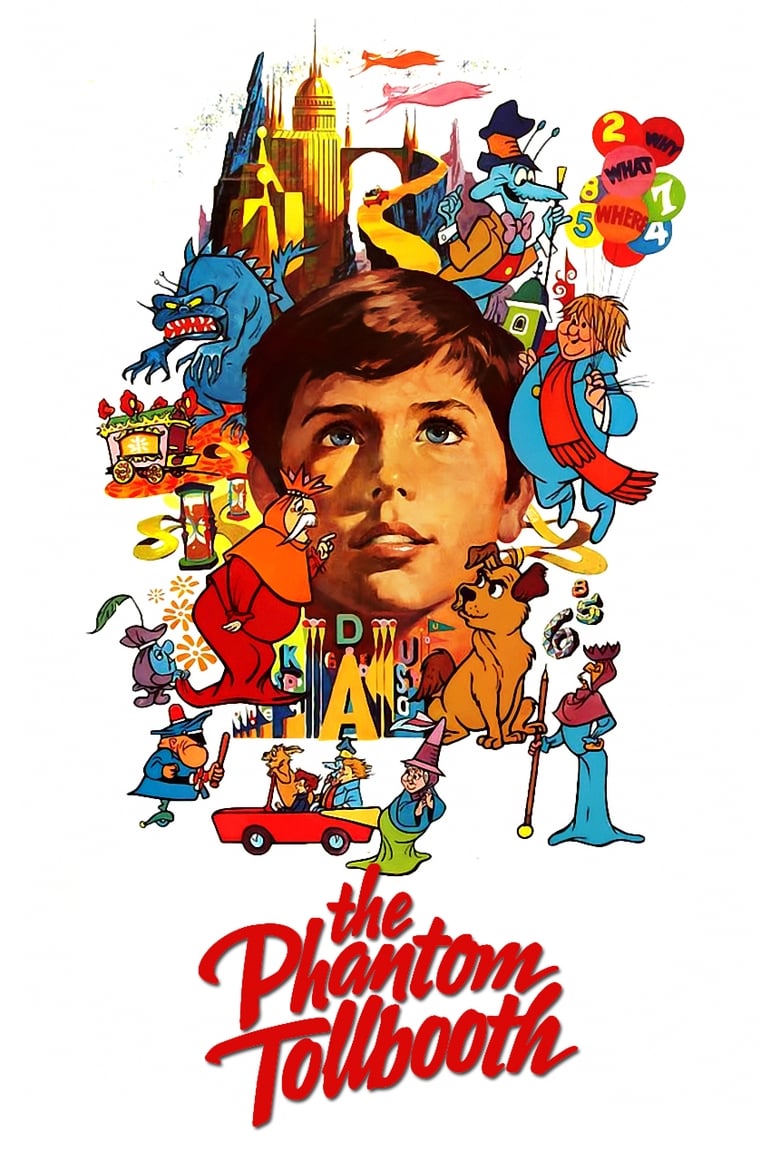
The Phantom Tollbooth, based upon the children's adventure novel by Norton Juster, tells the story of a bored young boy named Milo. Unexpectedly receiving a magic tollbooth and, having nothing better to do, Milo drives through it and enters a kingdom in turmoil following the loss of its princesses, Rhyme and Reason.
Overall Score
Limited
Category Breakdown
LGBTQ+ Representation
The film focuses on an allegorical journey through linguistic and mathematical landscapes. There is no presence of LGBTQ+ characters or non-cisnormative identities within this conceptual world.
Gender Representation
Gender dynamics are defined by the disappearance of the princesses, Rhyme and Reason. While these feminine archetypes are central to the plot, the film does not actively subvert traditional hierarchies.
Racial & Ethnic Diversity
The cast consists of anthropomorphic creatures and allegorical figures rather than humans. Consequently, the film lacks human racial or ethnic diversity, opting for conceptual abstraction instead.
Religious & Cultural Diversity
The narrative prioritizes curiosity and the pursuit of knowledge over rigid institutions. Authority figures are depicted as whimsical and eccentric rather than strictly hierarchical or dogmatic.
Disability Representation
Characters lack visible or invisible disabilities as part of their identity. Limitations in the film are largely metaphorical, such as boredom, rather than representing neurodivergence or physical disability.
Strengths
Areas for Improvement
AI Analysis
The film functions as a work of intellectual surrealism, prioritizing linguistic and mathematical allegory over social identity. Its narrative architecture is built for cognitive engagement rather than exploring marginalized groups. While the production utilizes a postmodern, deconstructive approach to logic and language, it lacks the intersectional markers necessary for a higher score. The characters are primarily conceptual entities rather than human representatives. Ultimately, the film's focus remains on the subjective perception of time and value. It avoids real-world identity markers in favor of a highly stylized, abstract environment.
No reviews yet. Be the first to share your thoughts on this movie!
Use the rating form above to leave a star rating and optional review.