
Lies Between Friends
2010
No user ratings available yet
Representation score: 1.4 out of 10

Representation Score
Fair
2007
PG-13Director
Nell Scovell
Runtime
87 minutes
Average Rating
No ratings yetNew Showbiz Analysis
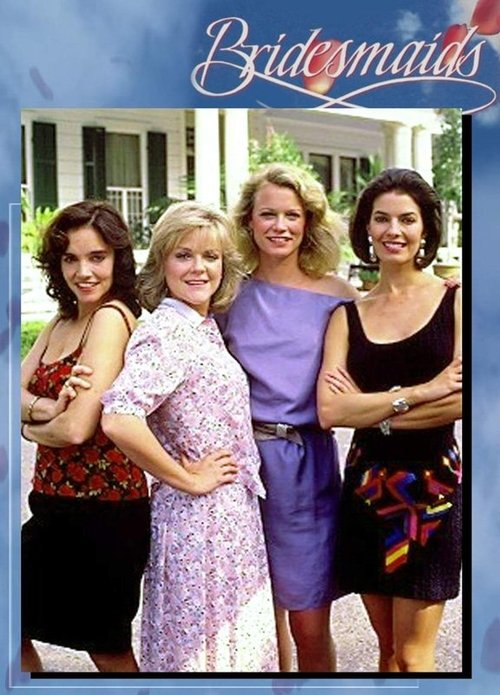
Betrayals places five former college roommates at the center of its narrative, allowing their personal revelations to drive the plot forward. This structure ensures that female perspectives dominate the screen time, while male characters remain peripheral figures who do not control the story. The film effectively highlights the strength of female friendship and individual decision-making within a domestic setting. However, the social world depicted is narrow in its demographic makeup. The cast is uniformly white, and the story does not explore racial dynamics or include characters of color in significant roles. This homogeneity limits the scope of the cultural commentary, keeping the focus strictly on the internal conflicts of a wealthy, single-race group. Additionally, the absence of LGBTQ+ and disabled characters leaves significant gaps in the representation of diverse life experiences. While the film succeeds in centering women’s voices, it relies on traditional gender pairings and able-bodied characters to tell its story. The result is a compelling female-centric drama that lacks broader inclusivity in its character design.
Category Breakdown
No openly LGBTQ+ characters appear in the film. All romantic relationships depicted are heterosexual, including the central friendship dynamics. The story focuses entirely on women’s marriages and dating within traditional gender pairings.
Five women drive the entire plot, sharing secrets and navigating their lives independently. Men appear only as husbands or background figures who do not influence the main story. The film centers on female friendship and personal choice over male authority.
The main cast consists entirely of white women. No characters of color are featured in the central group or given significant screen time. The story takes place in a homogeneous social circle with no exploration of racial dynamics.
The film portrays affluent suburban life with a focus on personal secrets and social status. Traditional institutions like marriage are questioned as the women reveal hidden truths. Wealth is treated as a normal backdrop rather than a source of conflict or critique.
No characters with physical or mental disabilities appear in the film. The story focuses on emotional and social conflicts among able-bodied adults. There are no plot points involving health conditions or accessibility.
Present on Screen
Limited or Absent
Official Synopsis
Five former college roommates gather years later for an emotional reunion. Although their lives have taken different paths, they still feel a strong bond and each reveals a dark, personal secret.
2010

2012
2008

2014

2001

2011
1989

2001
No reviews yet. Be the first to share your thoughts on this movie!
Use the rating form above to leave a star rating and optional review.