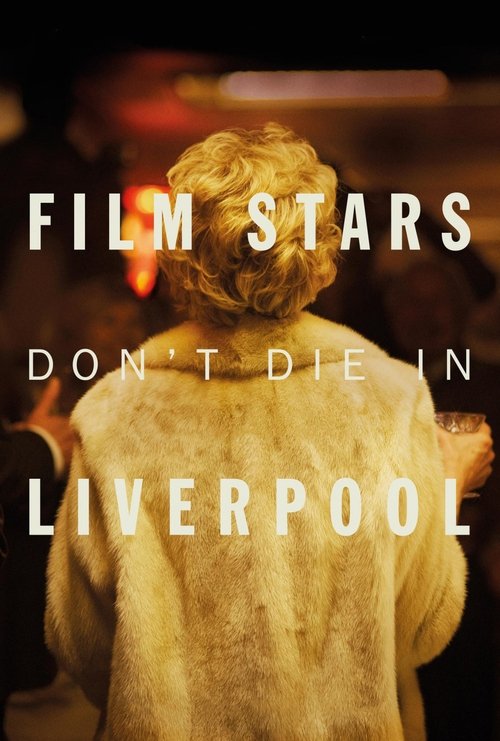
Film Stars Don't Die in Liverpool
2017
No user ratings available yet
Representation score: 5.7 out of 10

Representation Score
Limited
2011
RDirector
Simon Curtis
Runtime
99 minutes
Average Rating
No ratings yetNew Showbiz Analysis
My Week with Marilyn succeeds as a psychological character study that humanizes figures often flattened by history. It effectively challenges traditional gendered archetypes by granting Monroe depth and ability to act, moving beyond her status as a mere sexual icon. However, the film is limited by its narrow demographic scope. The lack of racial and ethnic diversity prevents a more inclusive narrative experience. Ultimately, the film is a focused exploration of individual emotional realities within a rigid, exploitative industry, rather than a broad social commentary.
Category Breakdown
The film explores a subtle relationship between Colin Clark and Marilyn Monroe, focusing on unconventional emotional connections rather than explicit identity markers or a broader queer community.
Marilyn Monroe is portrayed with significant intellectual and emotional depth, challenging the passive objectification typical of the time. The narrative critiques the male-dominated industry and the 'star machine' that threatens female autonomy.
The production features a largely homogeneous white cast, reflecting the historical constraints of the 1950s setting without utilizing color-blind casting or diverse ethnic perspectives.
The story offers a sophisticated critique of the exploitative Hollywood studio system, highlighting the tension between private identity and the manufactured falsehoods of public persona.
The film does not feature prominent characters with visible or invisible disabilities.
Present on Screen
Limited or Absent
Official Synopsis
London, 1956. Genius actor and film director Laurence Olivier is about to begin the shooting of his upcoming movie, premiered in 1957 as The Prince and the Showgirl, starring Marilyn Monroe. Young Colin Clark, who dreams on having a career in movie business, manages to get a job on the set as third assistant director.
2017
1965

2014
1955

2017
1952
1976
1937
No reviews yet. Be the first to share your thoughts on this movie!
Use the rating form above to leave a star rating and optional review.