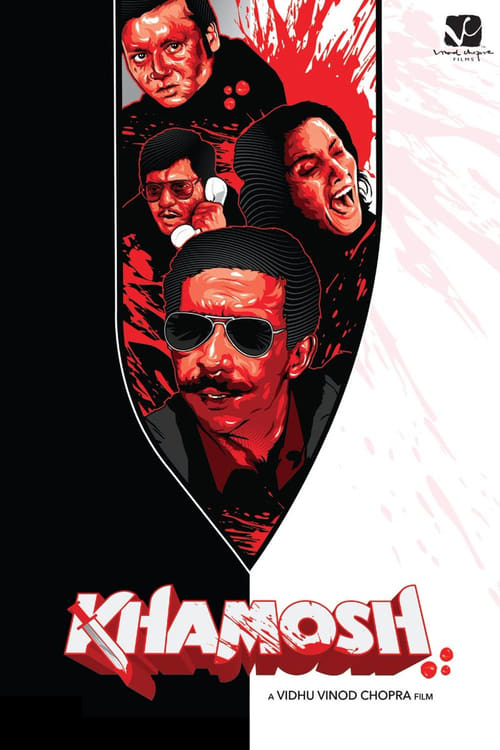
Khamosh
1986
No user ratings available yet
Representation score: 5.0 out of 10
Representation Score
Fair
1989
Director
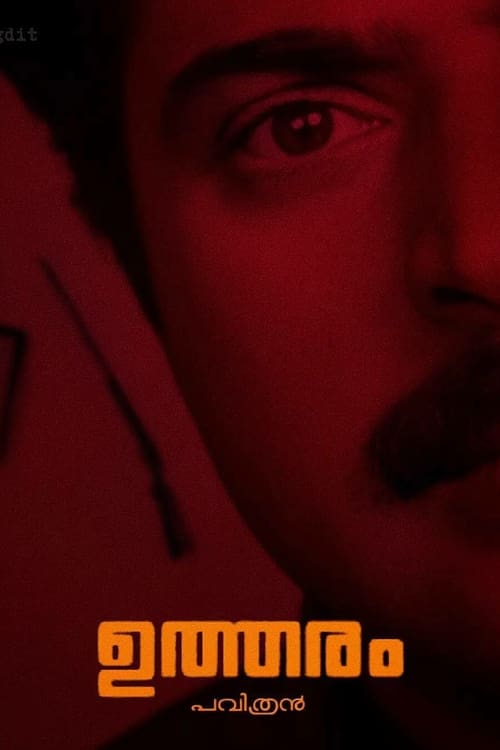
V. K. Pavithran
Runtime
123 minutes
Average Rating
No ratings yetNew Showbiz Analysis
V. K. Pavithran’s work is a cornerstone of Indian Parallel Cinema, using social realism to critique systemic structures. The film stands out by avoiding clichéd narratives to tackle complex political and moral issues. Though it does not explicitly address LGBTQ+ or disability issues, it excels in cultural depth. It avoids simplistic moral solutions, choosing instead to highlight the personal costs of political engagement and institutional authority. The narrative's strength lies in its authentic regional context and its refusal to conform to traditional, romanticized versions of social struggle, making it a sophisticated exploration of socio-political themes.
Category Breakdown
The film adheres to the assumption that everyone is straight and cisgender during the 1980s in Kerala. There are no indications of non-binary gender identities or same-sex relationships in the story.
Saleena's inner struggles and tragic role as a subject of inquiry drive the story. However, the investigation is led by male characters, which positions women as subjects of study rather than active participants.
The film offers an authentic depiction of Malayali identity and the socio-political environment of Kerala. It emphasizes regional specifics over the standardized aesthetics found in mainstream Indian cinema.
The story examines the tension between individual idealism and the broader political system. It dismantles romanticized views of revolutionary struggle through a nuanced critique of institutional authority.
The film explores deep psychological distress and social disillusionment but does not specifically depict physical or neurodivergent disabilities as central plot devices.
Present on Screen
Limited or Absent
Official Synopsis
Saleena is happily married to Mathew , a wealthy estate owner. Inexplicably she commits suicide much to the shock of Mathew. He firmly believes that there existed no reason for her to do the act and asks his journalist friend Balu to investigate why. Balu, who was also close to Saleena, tries to piece together clue from her past to figure out the answer.
1986
2021
2025
2017
1995
1982
2018
2021
No reviews yet. Be the first to share your thoughts on this movie!
Use the rating form above to leave a star rating and optional review.