
Tubby the Tuba
1947
No user ratings available yet
Representation score: 1.7 out of 10
No Poster Available
Representation Score
Minimal
1935
ApprovedDirector
Hugh Harman
Runtime
11 minutes
Average Rating
No ratings yetNew Showbiz Analysis
Poor Little Me is a typical 1930s-style anthropomorphic fable. It follows a classic emotional arc where a lonely skunk seeks connection with a community of woodland animals. The film prioritizes sentimental, universal storytelling over deconstructing social hierarchies. This focus on a singular, restorative character arc results in a lack of narrative complexity regarding identity. Ultimately, the work reflects the traditional norms of its time, offering a simple moral tale without intentional representation of diverse human experiences or social critiques.
Category Breakdown
The film does not include any characters with LGBTQ+ identities. The story revolves around the theme of social inclusion among woodland animals.
The story centers on a child skunk but does not explore any gendered power dynamics. The characters likely follow the traditional gender roles common in 1930s animation.
The film is set in a homogeneous woodland environment with anthropomorphic animals. There is no indication of diverse casting or intentional metaphors related to diversity.
The narrative follows a traditional moral framework focused on social cohesion. It avoids critiquing Western social structures and instead emphasizes sentimental storytelling.
The protagonist's heartbreak is portrayed as an emotional state rather than a depiction of neurodivergence or physical disability. No characters with disabilities are given significant roles.
Present on Screen
Limited or Absent
Official Synopsis
Bunnies, turtles, and other small woodland animals play. A child skunk remains apart, heartbroken that he has no friends.
1947
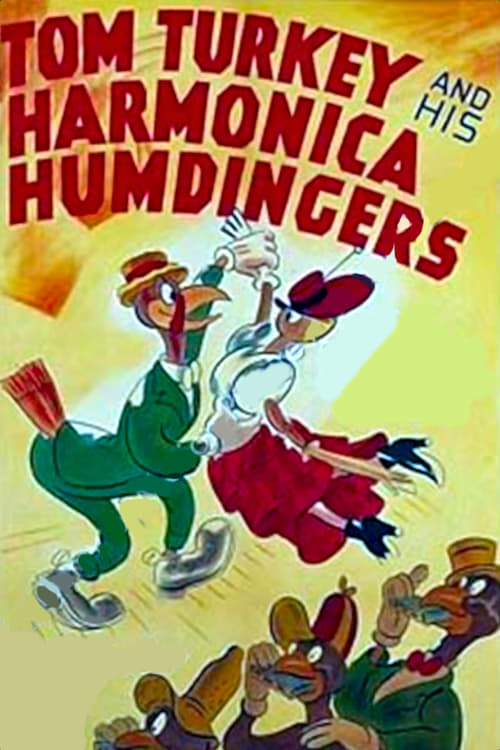
1940
1935
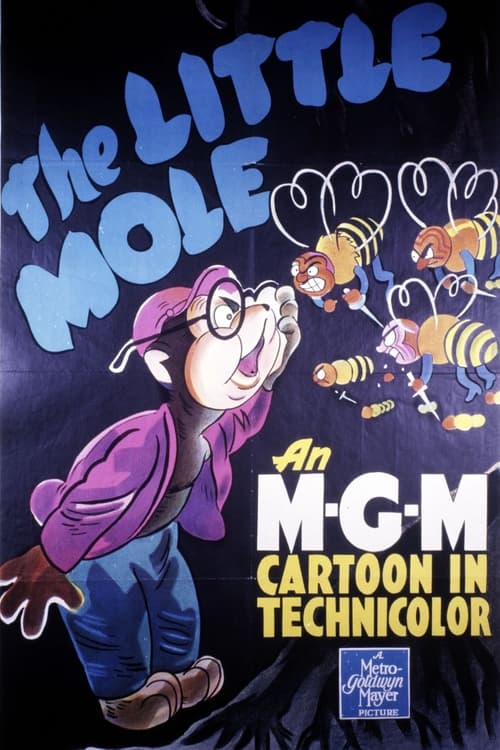
1941
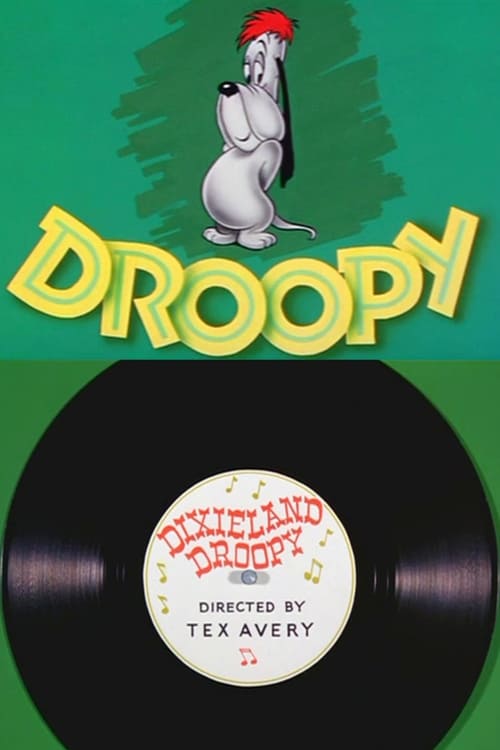
1954
1931
1935
1939
No reviews yet. Be the first to share your thoughts on this movie!
Use the rating form above to leave a star rating and optional review.