Poor Little Me
1935
No user ratings available yet
Representation score: 0.5 out of 10

Representation Score
Minimal
1947
ApprovedDirector
George Pal
Runtime
10 minutes
Average Rating
No ratings yetNew Showbiz Analysis
Tubby the Tuba is a mid-century animated short that emphasizes musical discovery over social or identity-based themes. The narrative unfolds within a highly stylized, anthropomorphic framework where characters are inanimate instruments. Given that the characters are objects, the film lacks the structure to explore gender, race, or sexual orientation. The story centers on individual merit and the protagonist's integration into a harmonious orchestra. Ultimately, the film reflects its era by emphasizing social order and systemic cooperation rather than challenging existing hierarchies or presenting diverse multi-layered identities.
Category Breakdown
The film focuses entirely on the personification of musical instruments and does not include any non-straight or non-cisgender identities or same-sex relationships.
Since the characters are inanimate objects, there is no gendered interaction. However, the protagonist exhibits traditionally masculine traits, while the lack of female characters prevents any meaningful gender discussions.
The setting is a stylized, homogeneous world of anthropomorphic instruments, and it does not intentionally include racial or ethnic diversity in its character design.
The story follows a traditional arc of finding one's place within an established social order, reinforcing Western ideas of harmony and cooperation within a structured collective.
Tubby's sonic limitations are used as a metaphor for personal inadequacy rather than depicting actual disability. The film avoids disability clichés but does not delve into the lived experiences of those with disabilities.
Present on Screen
Limited or Absent
Official Synopsis
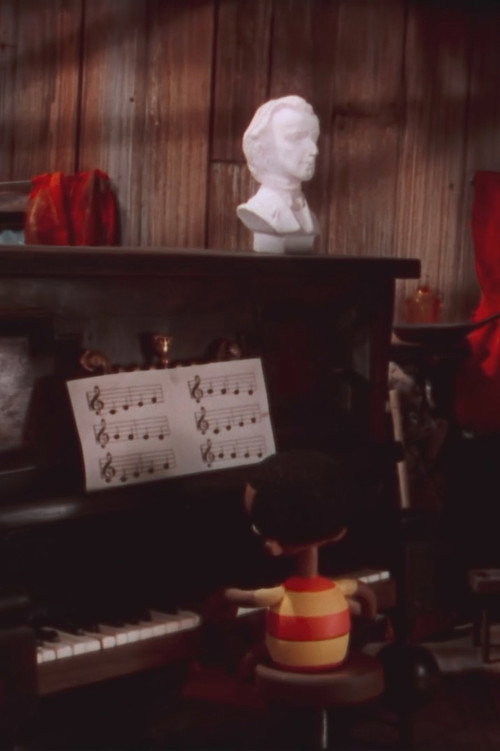
In this Puppetoon animated short film (an Academy Award Best Short Subject, Cartoons nominee), Tubby the Tuba is disappointed that his sound limits what he's permitted to do in an orchestra of self-playing instruments that, unlike him, get to play pretty melodies. A chance meeting with a bullfrog changes everything.
1935

1938
1943
1946
1955
1946
1947

1942
No reviews yet. Be the first to share your thoughts on this movie!
Use the rating form above to leave a star rating and optional review.