
Kaccha Limboo
2011
No user ratings available yet
Representation score: 4.0 out of 10

Representation Score
Fair
2011
Not RatedDirector
Amole Gupte
Runtime
96 minutes
Average Rating
No ratings yetNew Showbiz Analysis
Stanley Ka Dabba is a realistic coming-of-age drama that excels in critiquing rigid social structures. It effectively challenges traditional hierarchies and advocates for children's emotional autonomy. However, the film lacks multi-layered depth, failing to represent LGBTQ+ identities, significant disability issues, or a broad range of gendered perspectives. Its value lies in its sophisticated critique of standardized systems impacting childhood.
Category Breakdown
The film does not include any LGBTQ+ characters or explore non-traditional sexual orientations. The social landscape centers around traditional family and peer relationships within a middle-class urban environment.
The story is mainly driven by a male protagonist and adheres to conventional family dynamics. While not overtly sexist, it does not significantly challenge traditional gender roles or provide strong female-led narratives.
The cast offers an authentic and localized portrayal of Mumbai life, avoiding a Western perspective and focusing on the cultural richness of Indian urban life.
The narrative presents a nuanced critique of strict, Western-style educational institutions. It highlights the struggle for personal ability to act against the pressures of standardized academic achievement and systemic conformity.
There are no central depictions of physical or neurodevelopmental disabilities. The focus remains on the socioeconomic and psychological pressures faced by middle-class children.
Present on Screen
Limited or Absent
Official Synopsis
School boy Stanley does not carry lunch, which is noticed by a teacher who forces kids to share their food with him. He soon warns Stanley that he must get a lunch box if he wants to attend school.
2011

2006
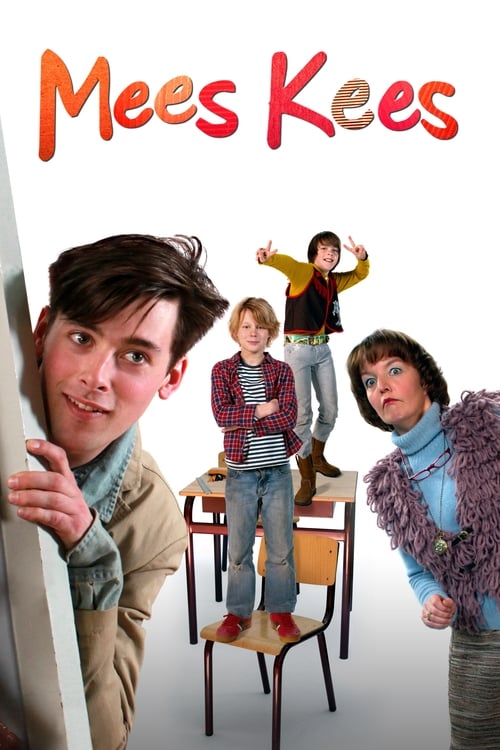
2012
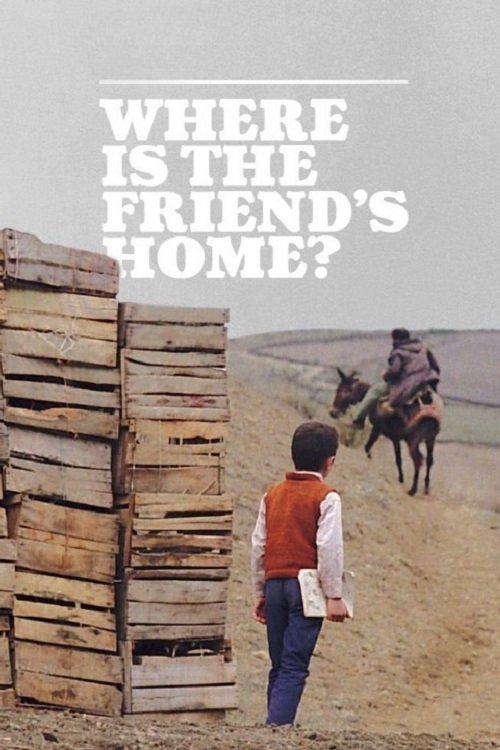
1987
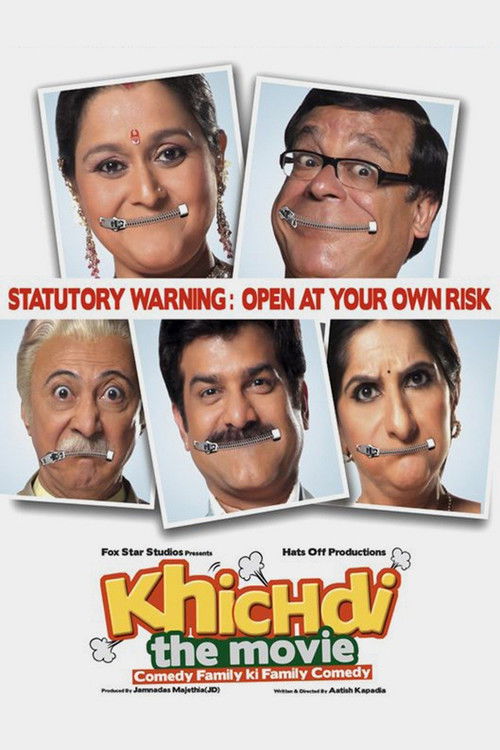
2010
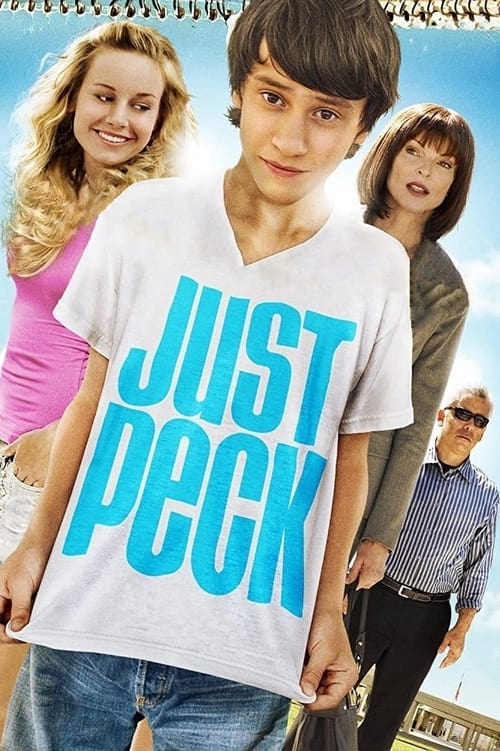
2011
2011
2012
No reviews yet. Be the first to share your thoughts on this movie!
Use the rating form above to leave a star rating and optional review.