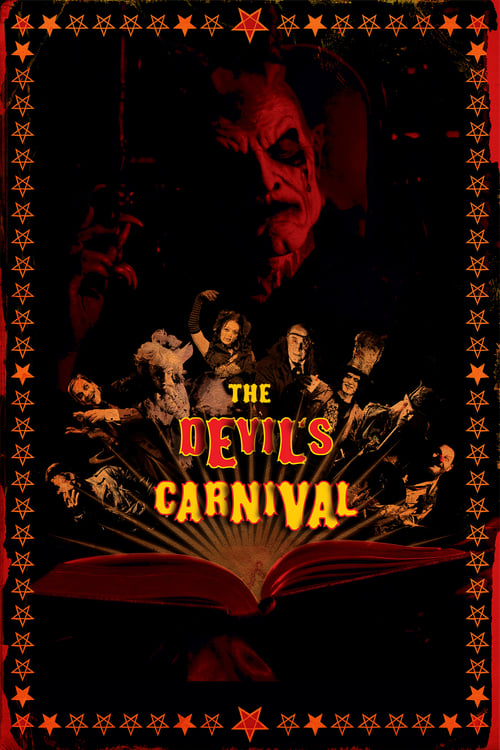
The Devil's Carnival
2012
No user ratings available yet
Representation score: 9.2 out of 10
Representation Score
Excellent
2016
Not RatedDirector
Darren Lynn Bousman
Runtime
97 minutes
Average Rating
No ratings yetNew Showbiz Analysis
The film stands out by challenging established moral and institutional norms through its fantastical setting. Its strongest point is using a musical backdrop to question rigid religious structures. By embracing moral ambiguity, it challenges simplistic views of good versus evil. However, the film falls short in certain areas of identity representation. It does not deeply explore multi-layered racial themes or offer specific narratives about neurodivergence and chronic illness. The film leans more towards stylized representations rather than direct social commentary.
Category Breakdown
The film uses queer-themed visuals and avant-garde styles to challenge traditional views of identity. Though romance isn't central, the design and theatricality of characters defy assumptions about straight relationships.
Women in the film play key roles and have significant influence, avoiding traditional submissive roles. They are shown as powerful figures driving the story forward.
The film includes a diverse cast typical of independent musical theater. However, it does not focus on a predominantly non-white cast or emphasize multi-layered racial themes.
The film effectively critiques traditional religious beliefs using surrealism. It presents Western institutions as complex and often oppressive, rather than absolute moral guides.
The film uses physical differences as part of a carnival metaphor. While it avoids overly inspirational portrayals, it doesn't provide detailed stories highlighting the experiences of those with neurodivergence or chronic illness.
Present on Screen
Limited or Absent
Official Synopsis
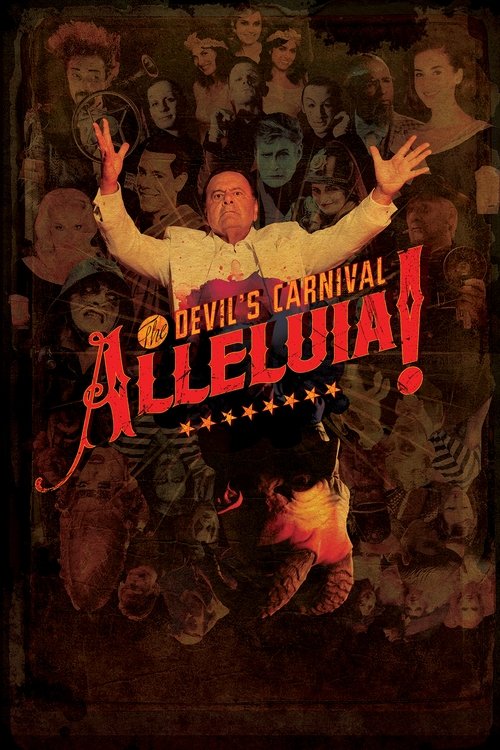
Lucifer incites Heaven’s wrath by dispatching train cars of condemned souls a-crashin’ through the pearly gates. As God plots to put an end to the rebellious deeds, a fable is told, and the midway gets set for a fateful reunion between God’s Agent and Hell’s Painted Doll, promising to make sinner and saint alike scream Alleluia!
2012
2013
1989
2015

1929
2013
2008
2006
No reviews yet. Be the first to share your thoughts on this movie!
Use the rating form above to leave a star rating and optional review.