Radioflash
2019
No user ratings available yet
Representation score: 4.5 out of 10
Representation Score
Fair
2014
RDirector
Peter Engert
Runtime
92 minutes
Average Rating
No ratings yetNew Showbiz Analysis
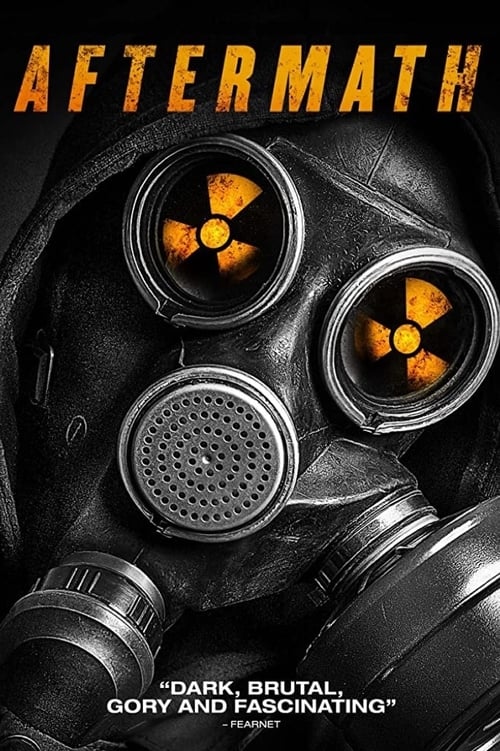
Aftermath is a claustrophobic psychological thriller that emphasizes the raw reality of trauma over identity-focused narratives. It successfully challenges traditional masculine stereotypes by presenting hyper-masculinity as socially harmful rather than heroic. However, the film lacks significant representation of LGBTQ+ identities and does not show explicit racial diversity. The focus remains on the immediate aftermath of a nuclear disaster in rural Texas. Ultimately, the film's strength lies in its exploration of how individuals cope when societal structures collapse.
Category Breakdown
The film does not include any LGBTQ+ characters or non-cisgender identities. The story centers on the struggle for survival after a nuclear event.
Elizabeth offers a strong-willed presence that balances the male lead, providing intellectual depth. Brad, meanwhile, challenges traditional masculinity by showing hyper-masculinity as unstable and harmful.
The setting in rural Texas involves a group of nine strangers. There is no indication of a diverse racial makeup or intentional casting to represent different backgrounds.
The story critiques Western institutions by showing the breakdown of state and social order. Characters face ethical dilemmas as the government fails to help.
Psychological and physical trauma are central to the story. Jennifer’s severe post-traumatic stress and the group's radiation sickness are shown as lived experiences rather than just plot devices.
Present on Screen
Limited or Absent
Official Synopsis
Searching for a happy ending to a tale of unimaginable disaster and horror, nine strangers find themselves holed up together in a farmhouse cellar in rural Texas. The United States has hastily become embroiled in World War 3. A young doctor named Hunter survives the nuclear attack and is thrown together by happenstance with a group of wounded and frightened victims, including Elizabeth, a strong-willed confidant to Hunter, Brad - an antagonistic redneck jackass, and Jennifer, a barely coherent young woman suffering from severe post-traumatic stress. Together, they attempt to endure the devastating holocaust as they struggle with claustrophobia and conflicting personalities. In a makeshift shelter, Hunter and his dying companions wait for news from the government while fending off hunger, radiation sickness, and a horde of frightened and dying refugees
2019
1962
2015
1983
2013
2012
2014
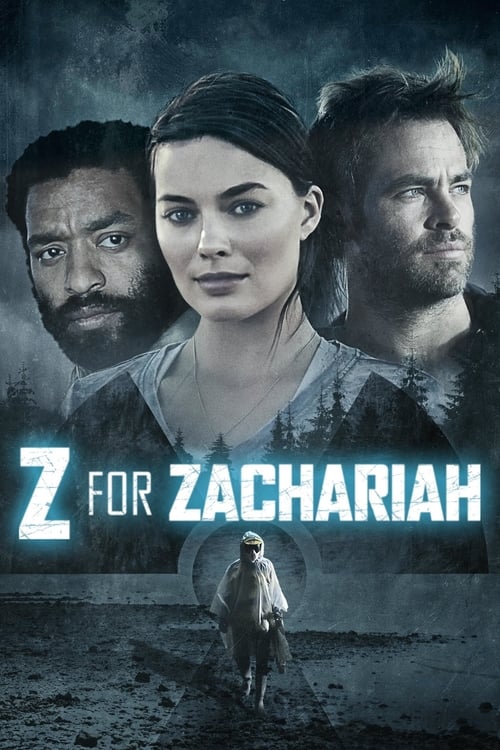
2015
No reviews yet. Be the first to share your thoughts on this movie!
Use the rating form above to leave a star rating and optional review.